






The emergency coordinator for Médecins Sans Frontières in Gaza, Frantz Lof, stated that the humanitarian aid reaching Gaza is still insufficient despite the ceasefire, warning that if there is no significant improvement, the Palestinians in Gaza will once again face harsh winter conditions.
Lof added that despite the ceasefire reached on October 10, a large number of Palestinians have lost their lives due to Israeli violations, emphasizing that the ceasefire is extremely fragile and humanitarian aid is not clearly reaching those in need.
Lof indicated that humanitarian aid has almost completely stopped since the ceasefire began, noting that there is not a single health facility operating at full capacity in the Gaza Strip.
Lof said they have recently managed to bring in only about 5 aid trucks per week to Gaza, adding, "As a humanitarian medical organization, we are still severely affected by the restrictions imposed by the Israeli authorities on dual-use materials."
He further stated, "We are suffering from a severe shortage of some medical supplies, particularly essential spare parts for generators, hospitals, and vehicles. We are not allowed to bring in filters and cannot provide basic maintenance for the infrastructure."
He warned that health facilities rely on generators, and if they are not regularly maintained, they will remain without electricity, stressing the need for a significant increase in medical and humanitarian aid to ensure the maintenance of the facilities they support and other vehicles.
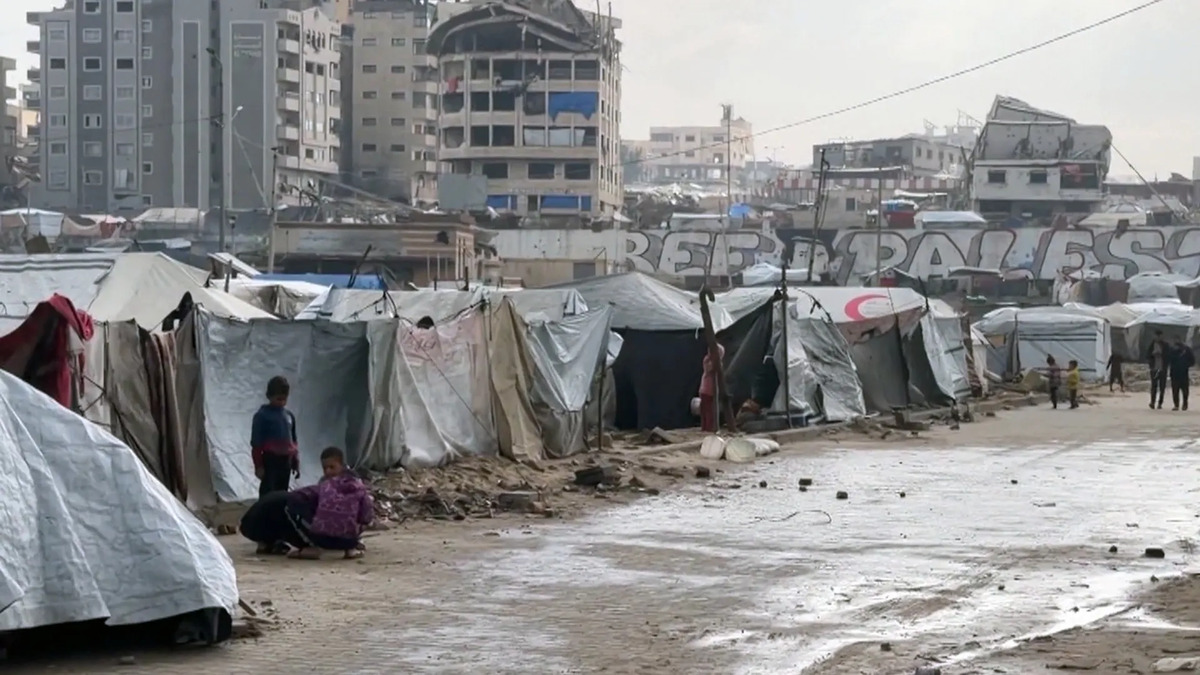
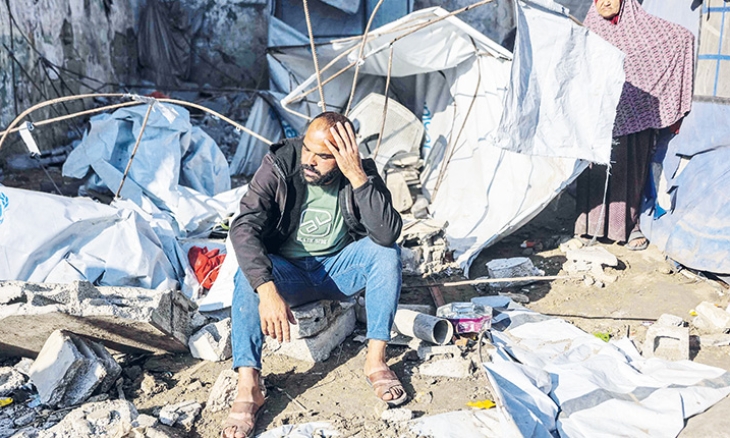
Winter is coming, and Lof highlighted the harsh winter conditions in Gaza, confirming that the drop in temperatures exacerbates the suffering of Palestinians in the region, saying, "Last weekend, we saw tents damaged by winds and rain, flooding with water due to the heavy rainfall."
He continued, "With the ceasefire, people feel anger over the insufficient number of tents that they need for protection from the rain and cold."
He called on the international community and countries that can influence Israel to pressure it to allow the entry of essential materials into Gaza.
He clarified, "The international community cannot say in January or February that it was unaware that winter was coming. We know it is coming, and we have experienced it. The people of Gaza endured a horrific winter last year, and it cannot be allowed to continue this year as well."
He concluded by saying, "This aid is insufficient in terms of quality and quantity. We have already gone through a terrible winter, and if there is no significant improvement, we expect to face the same horrific situation during December and January."
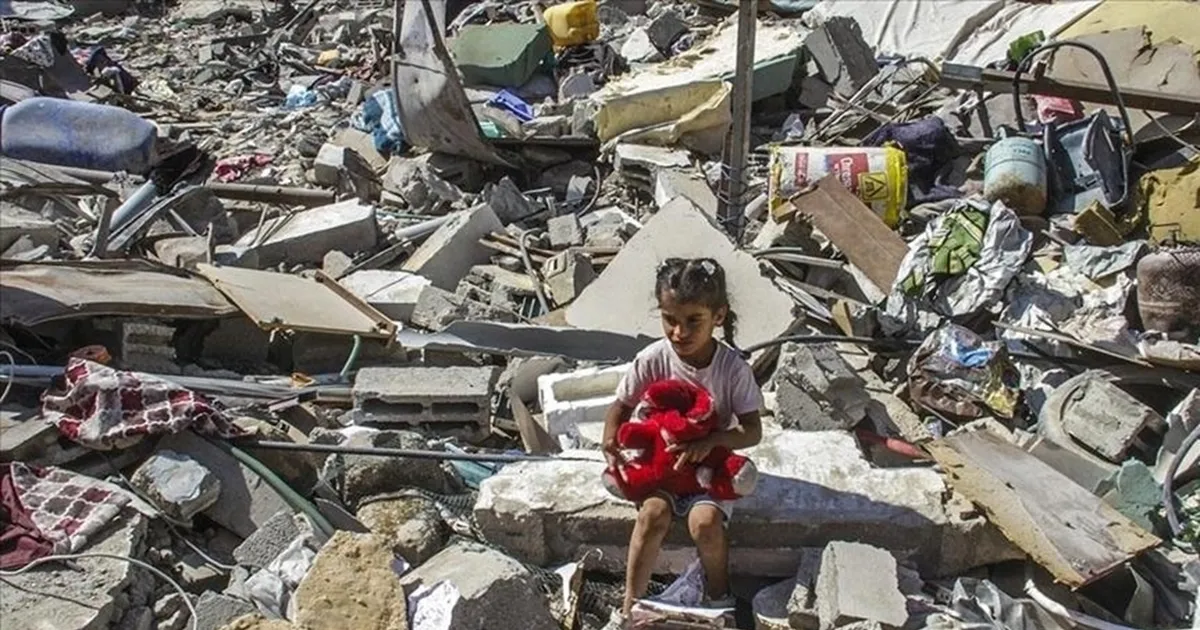
For two years since October 8, 2023, Israel, with American support, has committed genocide against the Gaza Strip, where about 2.4 million Palestinians live, resulting in more than 69,000 Palestinian martyrs and over 170,000 injured, most of whom are children and women, with reconstruction costs estimated by the United Nations at around $70 billion.
This aid is insufficient in terms of quality and quantity, and if there is no significant improvement, we expect to face the same horrific situation.


Share your opinion
Doctors Without Borders: Aid to Gaza is Insufficient and Harsh Winter Threatens Displaced People