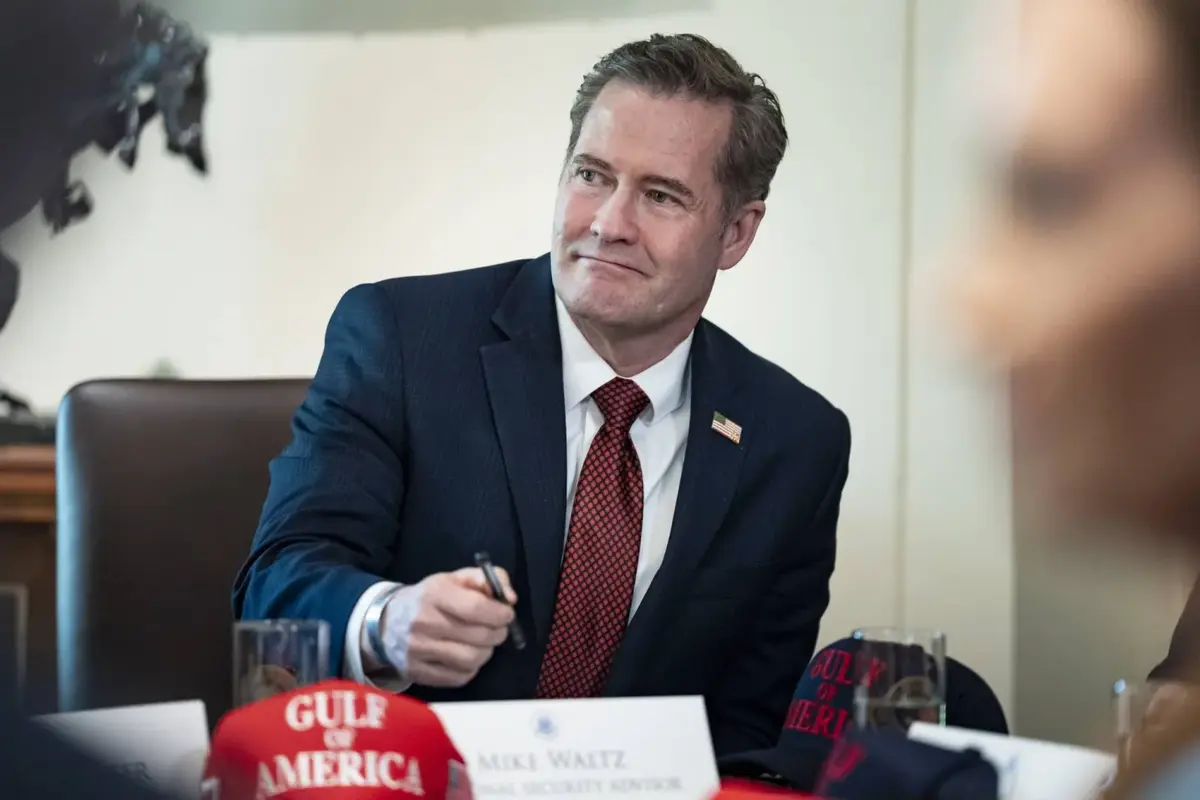







In an opinion piece published on Friday in the Washington Post, U.S. Ambassador to the United Nations Mike Waltz presented a strong defense of President Donald Trump's proposal to establish a new international body called the "Peace Council" to oversee the reconstruction of Gaza and manage the transitional phase after the war. Waltz considered that this council represents "the only path to a safe Gaza, where Palestinians can determine their own fate away from the rule of terrorism or occupation."
Waltz emphasized that opposing the U.S. draft resolution at the Security Council would mean "taking sides with the continuation of Hamas's rule or returning to war with Israel," warning that the region cannot bear another round of conflict. According to the proposal put forward by Washington, Trump is expected to chair the "Peace Council," while former British Prime Minister Tony Blair will join as one of its prominent members.
Details of the plan and the international role
The United States has officially pushed for the adoption of the resolution within the Security Council, calling for the mandate to be granted to the proposed international force named the "International Stabilization Force" (ISF) to operate in Gaza for two years, with powers that include "using all necessary means" to ensure security, according to Reuters. The draft indicates support from Egypt, Qatar, Saudi Arabia, Turkey, and the UAE for the text, which provides Washington with regional backing it seeks to leverage to pass its plan.
The "Peace Council" – according to Waltz – aims to support a Palestinian technocratic committee that will manage civil services in Gaza during the transitional phase, while the Palestinian Authority works in parallel to implement its reform commitments. Waltz believes that this approach "will finally open the way for Palestinians to determine their own fate away from Hamas's grip."
The council will also be tasked with coordinating humanitarian aid, accelerating the reconstruction process, and launching economic development plans, with a note from Waltz about "initial support" from World Bank President Ajay Banga.
Hamas out of the picture
On the other hand, Al-Arabiya reported that Hamas official Taher al-Nounou stated that the movement had not received a copy of the plan and was not involved in its drafting, reflecting a wide gap between the U.S. vision and the political reality in Gaza. This exclusion reflects a U.S. tendency to completely bypass the movement in post-war arrangements, despite its renewed field presence following the withdrawal of Israeli forces under the ceasefire agreement.
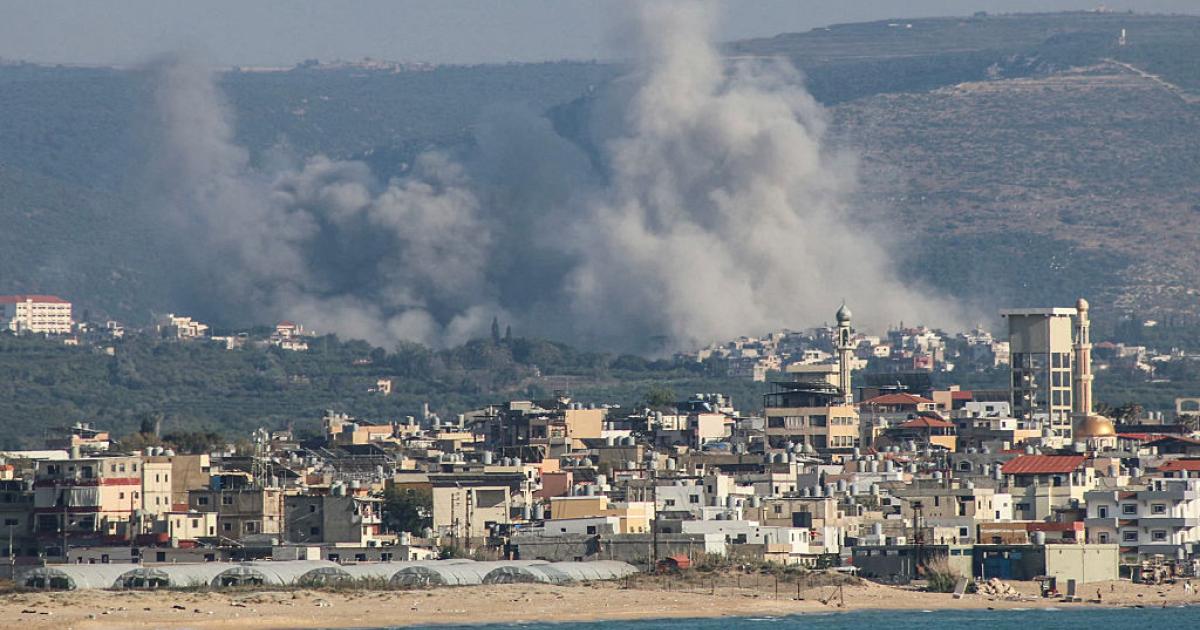
Reuters had reported that the movement carried out a "settling of scores" campaign after the ceasefire took effect, resulting – according to its sources – in the deaths of 33 people. These developments come amid widespread destruction left by a war that lasted over two years, leading to the collapse of infrastructure and threatening the lives of hundreds of thousands of residents with hunger due to restrictions on aid entry.
The security and economic dimensions of the plan
Waltz believes that the time has come "to advance the peace process through stronger measures," considering that the proposed framework will establish a "nascent Gazan economy capable of growth away from permanent reliance on foreign aid." However, the central pillar of Waltz's vision is the "International Stabilization Force," a multinational force that the plan assumes will take on the disarmament of Gaza, dismantle military and factional structures, and secure the population over a two-year period.
Waltz acknowledges that the road to "lasting peace" in Gaza and the region is "long and arduous," but he points out that the Security Council is at a critical moment "to prove its commitment to the spirit of its founding principles."
The "Peace Council" plan reveals an American attempt to reshape the Gaza scene in line with a security and political vision that excludes Hamas and grants Washington and its allies a direct role in managing the transitional phase. However, the absence of Palestinian consensus and the inclusion of an international force with broad powers raise questions about the extent of acceptance among the Gazan public for such an arrangement, and the possibility of it turning into a new form of international guardianship. Additionally, placing Trump at the head of the council adds a sharp political character to the initiative at a moment of internal American division, which may limit its independence or effectiveness later.
According to experts, the American plan, despite its slogans of reconstruction and stability, appears closer to a veiled international guardianship project that keeps Palestinian decision-making hostage to donors and major powers. The absence of participation from active Palestinian forces, especially Hamas, weakens its chances of implementation on the ground and turns the "Peace Council" into a tool for reshaping Gaza according to a unilateral external vision. Furthermore, granting an international force broad powers may exacerbate tensions rather than build lasting solutions.



Share your opinion
Waltz presents the "Peace Council" as the only option to ensure the security of Gaza after Hamas.