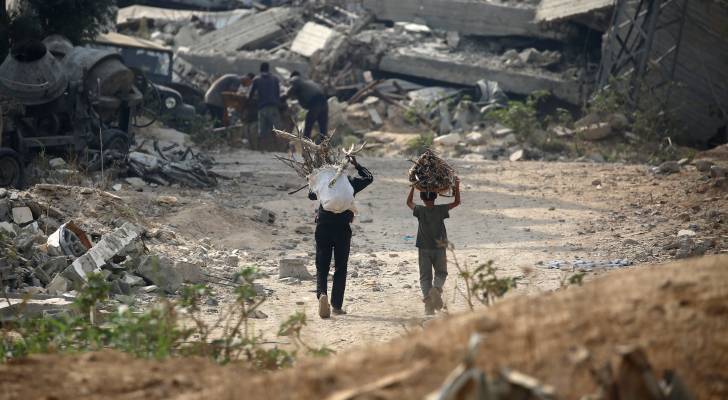







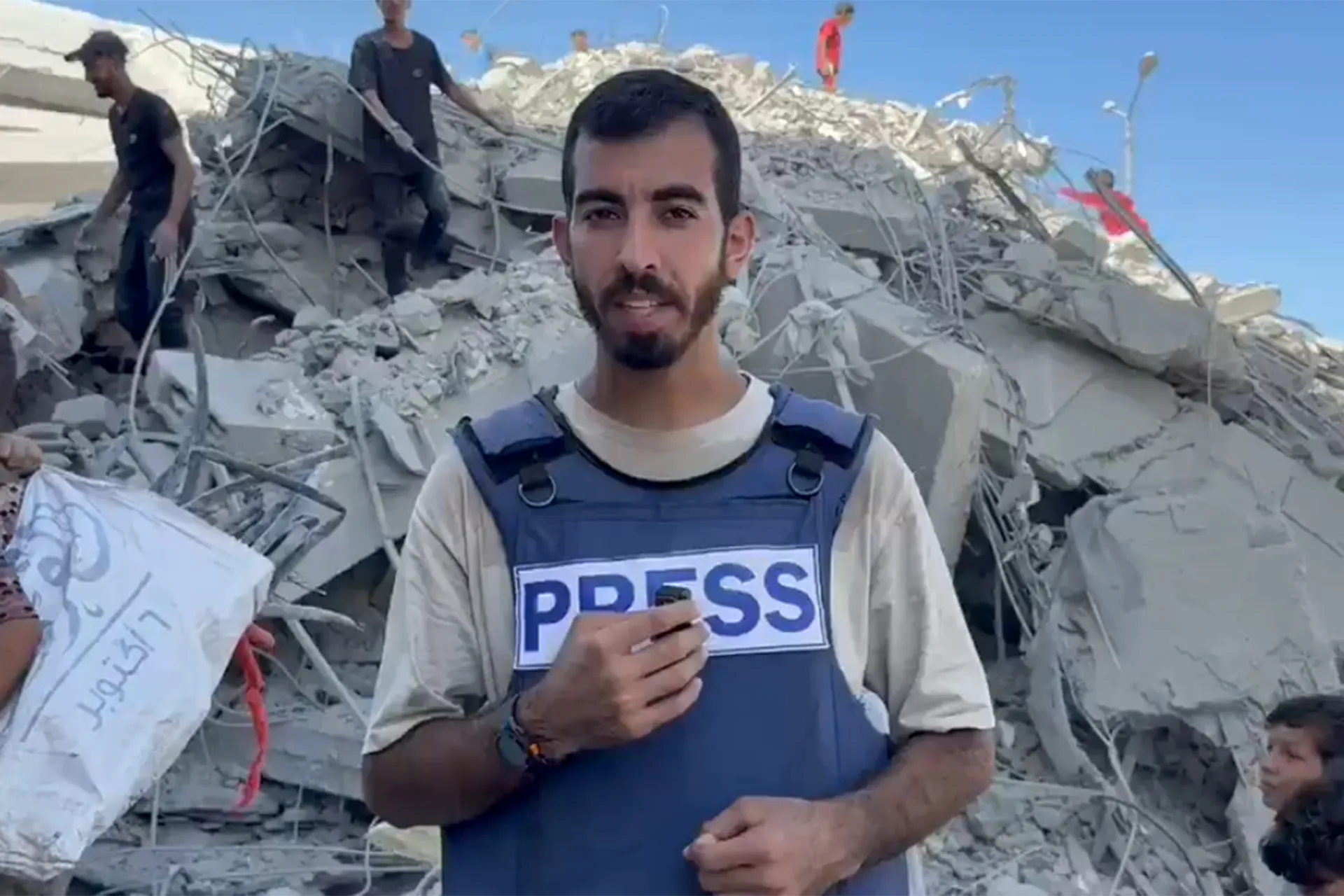
NPR correspondent Daniel Estrin revealed his entry into the Gaza Strip during a rare visit accompanied by the occupying army. The significance of this visit, which took place under tight military supervision, lies in its revelation of the "wide extent of destruction" and the actual division of the territory into two halves: an area occupied by the army and an area under Hamas control, amidst uncertainty surrounding the future of the ceasefire.
The visit came nearly a month after the ceasefire, during which the occupation only allows selected journalists to enter Gaza for short visits accompanied by soldiers. As a condition for the visit, the military censorship of the occupation reviewed the raw audio and visual materials (unproduced) belonging to NPR.
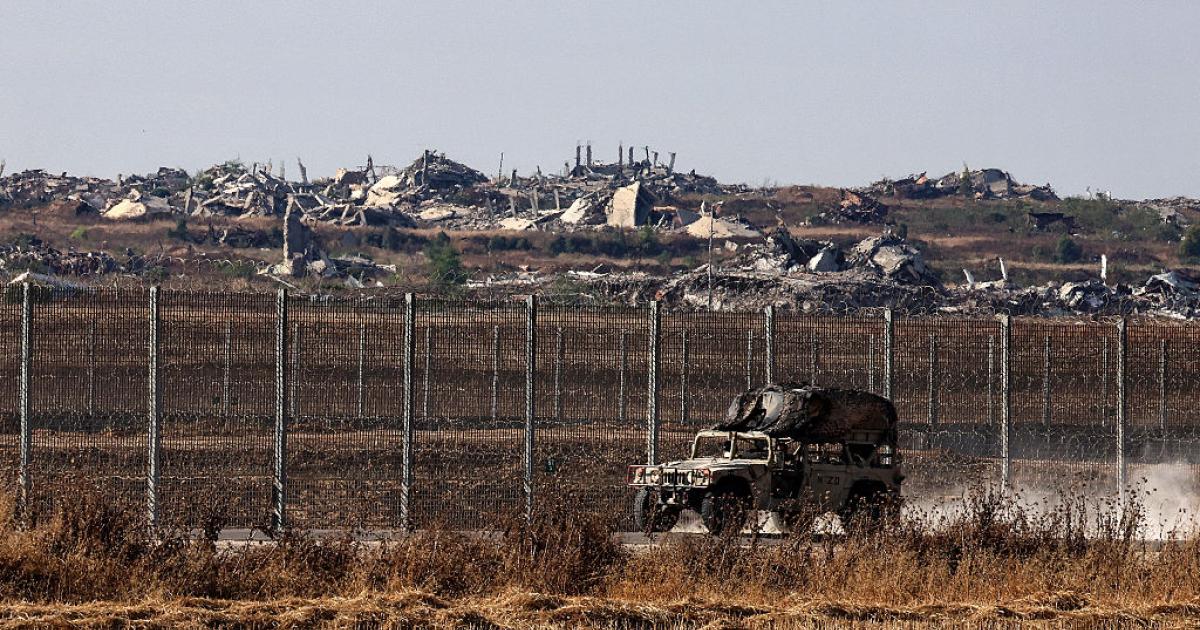
Estrin, who has been accustomed to entering Gaza for reporting for years, described how the features of the old crossing (metal detectors and gates) had disappeared, as he crossed directly through the occupation fence in a military vehicle and, after a few minutes, the delegation arrived at an advanced military point near the "yellow line," the location to which the occupying forces retreated at the start of the ceasefire, preventing Palestinians from returning to it.
Upon climbing a high dirt mound overlooking the Shuja'iyya neighborhood, the military spokesperson for the occupation, Nadav Shoshani, provided an explanation of the scene. Here, Estrin described his reaction: "Oh my God, oh my God... I feel like my heart is tightening." Estrin described what he saw: "A vast expanse of destruction; I see the tall buildings in Gaza City still standing in the far distance, but around them, piles of concrete, and destroyed schools and homes."
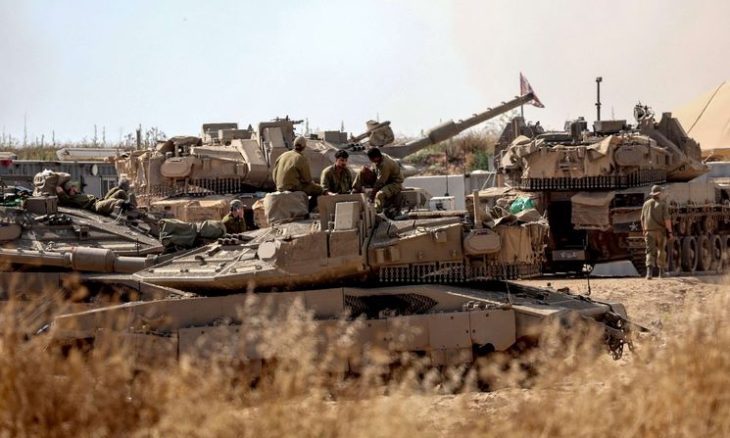
He added: "I can barely see any shrubs or trees, just vast areas of crumbling concrete houses, and concrete beams sticking out of the dirt like long tombstones." The place was enveloped in "complete silence," except for the chatter of the occupying soldiers at the forward base, where Estrin noticed a soldier wearing a shirt that read "Hamas Hunting Club."
Regarding the current situation, Estrin clarified that the occupying forces are still "active" in this half of Gaza (destroying tunnels), and that Hamas is "active too" (reorganizing) in the half designated for Palestinian habitation.
As for the future plan, Estrin reported that spokesperson Shoshani stated that the American plan involves deploying a multinational force and disarming Hamas (after handing over the bodies of the deceased captives), and only then will the occupying army withdraw.
However, Shoshani confirmed: "We would be happy for that to happen immediately... but we are prepared to operate here to protect our civilians as long as that has not happened." In relation to the future trajectory, Estrin questioned whether "this temporary division of Gaza into two parts is the new status quo," likening it to the ongoing occupation of the West Bank for over 50 years.
He noted that Shoshani confirmed the army's readiness to remain "for a long time," citing the strong infrastructure at the base (communication tower, electricity poles, fortified walls). Estrin concluded his report by pointing out the restrictions imposed on the media, stating: "This is the furthest I was allowed to reach; the war is over, but the occupation still does not allow journalists to enter Gaza independently to report directly on how life there has become impossible."
This is the furthest I was allowed to reach; the war is over, but the occupation still does not allow journalists to enter Gaza independently.


Share your opinion
For the first time in two years.. The occupation allows international journalists a "limited tour" in Gaza under military escort.. Video