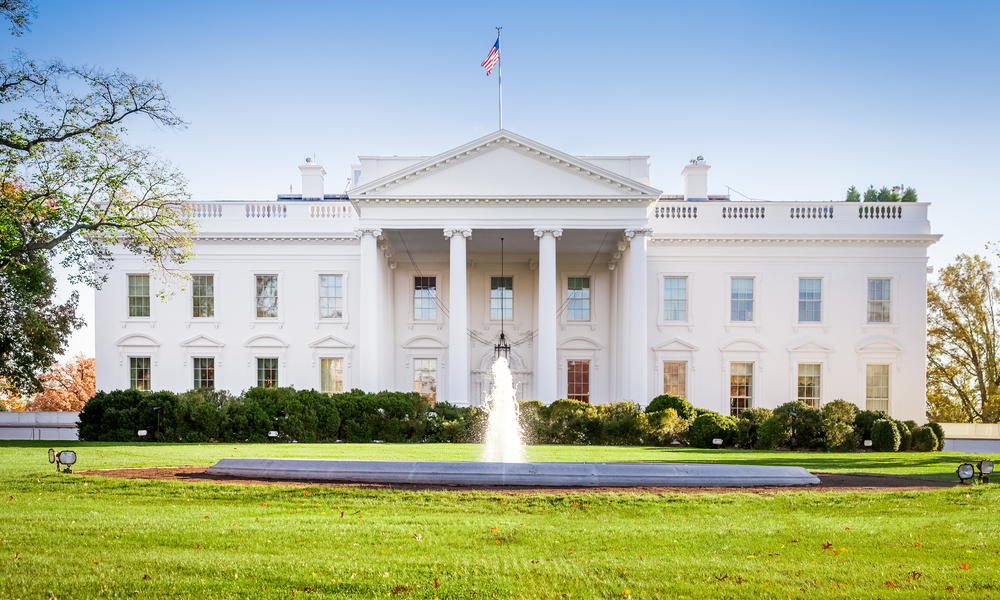







Signs of a shift in the American stance towards Israel are beginning to emerge between President Donald Trump and Vice President JD Vance, in a notable development that could redraw the boundaries of the relationship between Washington and Tel Aviv. Despite both men’s efforts to present a united front on foreign policy issues, Vance's recent statements reveal a more cautious and realistic approach compared to the traditional stance Trump has taken in his unwavering support for Israel.
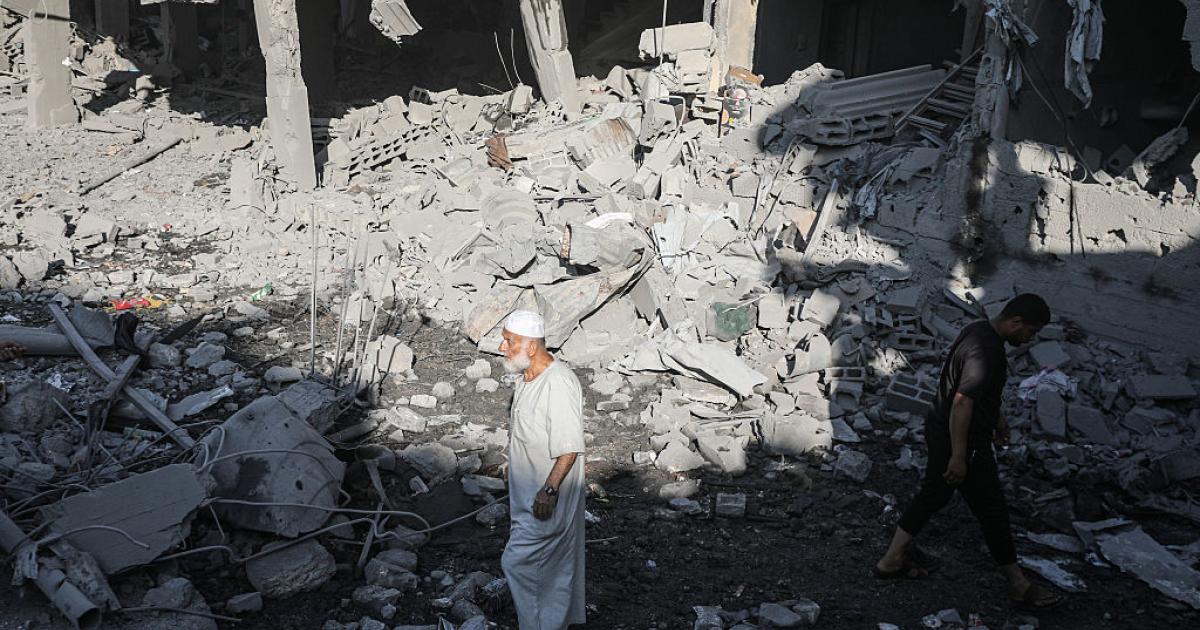
Since the outbreak of the recent escalation initiated by Israel against the besieged and devastated Gaza Strip under flimsy pretexts, Trump has adopted an unconditional supportive rhetoric for Tel Aviv. On multiple occasions, he has asserted that "nothing will threaten the peace process" that his administration sponsored in its early stages, indicating that Israel's security is a fundamental pillar of stability in the Middle East. This position aligns with Trump's previous tendencies since his first term, when he moved the U.S. embassy to occupied Jerusalem, closed the U.S. consulate in occupied Jerusalem, approved Israel's annexation of the occupied Golan Heights, and launched what became known as the "Abraham Accords," which normalized relations between Israel and several Arab countries.
In contrast, Vance, who recently visited Israel in support of the ongoing ceasefire, appeared more inclined towards a realistic discourse that balances American interests with its commitments to allies. In a notable statement, he said, "Israel has the full right to defend itself, but America's interests do not always align with Israel's interests." This short phrase carried significant implications, as observers interpreted it as an initial indication of Vance's desire to redefine the relationship between Washington and Tel Aviv based on partnership rather than political dependency.
Vance did not hesitate to publicly criticize the Israeli Knesset after it symbolically voted on a project to annex parts of the West Bank, considering the move a "foolish political act" that undermines the peace efforts supported by the United States. He added that the vote left him with a "sense of insult," a tone unusual for a senior American official discussing an internal Israeli decision. These positions reflect, according to analysts in Washington, a shift in Vance's way of thinking, as he seeks to demonstrate independence in vision and not fully integrate into the Israeli stance as previous Republican administrations have done.
As for President Trump, he chose a more flexible tone regarding the Israeli step. Although he affirmed that he does not support any unilateral actions that could harm the negotiation process, he avoided direct criticism of Tel Aviv, merely stating that he "trusts the wisdom of Israeli leadership." This variation in tone reflects a difference in the approach to dealing with the Israeli ally: Trump prefers public appeasement, while Vance believes that explicit pressure may be more effective in regulating Israeli behavior within the framework of the ceasefire and regional agreements.
Some analysts link this divergence to the backgrounds of both men. Trump, who prioritizes the considerations of the evangelical base and the conservative Republican agenda that brought him to the White House, is keen to maintain a supportive discourse for Israel without hesitation. Meanwhile, Vance, an emerging politician associated with the new generation of Republicans, seeks to formulate a "America First" vision in a more pragmatic version, which sees that supporting allies does not necessarily mean adopting their domestic policies or covering their controversial actions.
Diplomats in Washington believe that these differences, while not reaching the level of political disagreement, could complicate the administration's task in managing the Middle East file in the upcoming period, especially given the delicate balance between Israel and the Arab countries that have signed normalization agreements. While Trump attempts to preserve his political legacy as a "peace maker" in the region, Vance works to establish the image of a balanced politician who prioritizes Washington's interests first and maintains a calculated distance from its allies.
In conclusion, the disagreements between the president and his vice president do not seem to be fundamental as much as they are variations in style and methodology. Both believe in the importance of the relationship with Israel, but Vance seeks to place it within a new, more balanced strategic framework. As the fragile ceasefire in Gaza continues and the debate over the future of settlements and the West Bank intensifies, these differences may turn into a real test of the second Trump administration's ability to unify its foreign discourse between political symbolism and diplomatic realism.



Share your opinion
Trump and Vance's Divergences on Israel: The Beginning of Distinction in White House Discourse