






In major events and wars, attention turns to the statements of politicians to understand the indicators of what is happening. Afterwards, journalists pick up the threads of public opinion to convey its pulse to the people. However, when events become larger than the politicians and when journalists become victims and martyrs, many aspects remain obscure in understanding what is happening, and the narrative becomes incomplete.
This is exactly what is happening in Gaza currently. Who holds the keys to this unofficial narrative? To answer this question, we find in the news hints that indicate the occupation still wants to obscure what is happening in Gaza; otherwise, why does Israel continue to prevent foreign journalists from entering Gaza even now despite the announcement of a ceasefire?
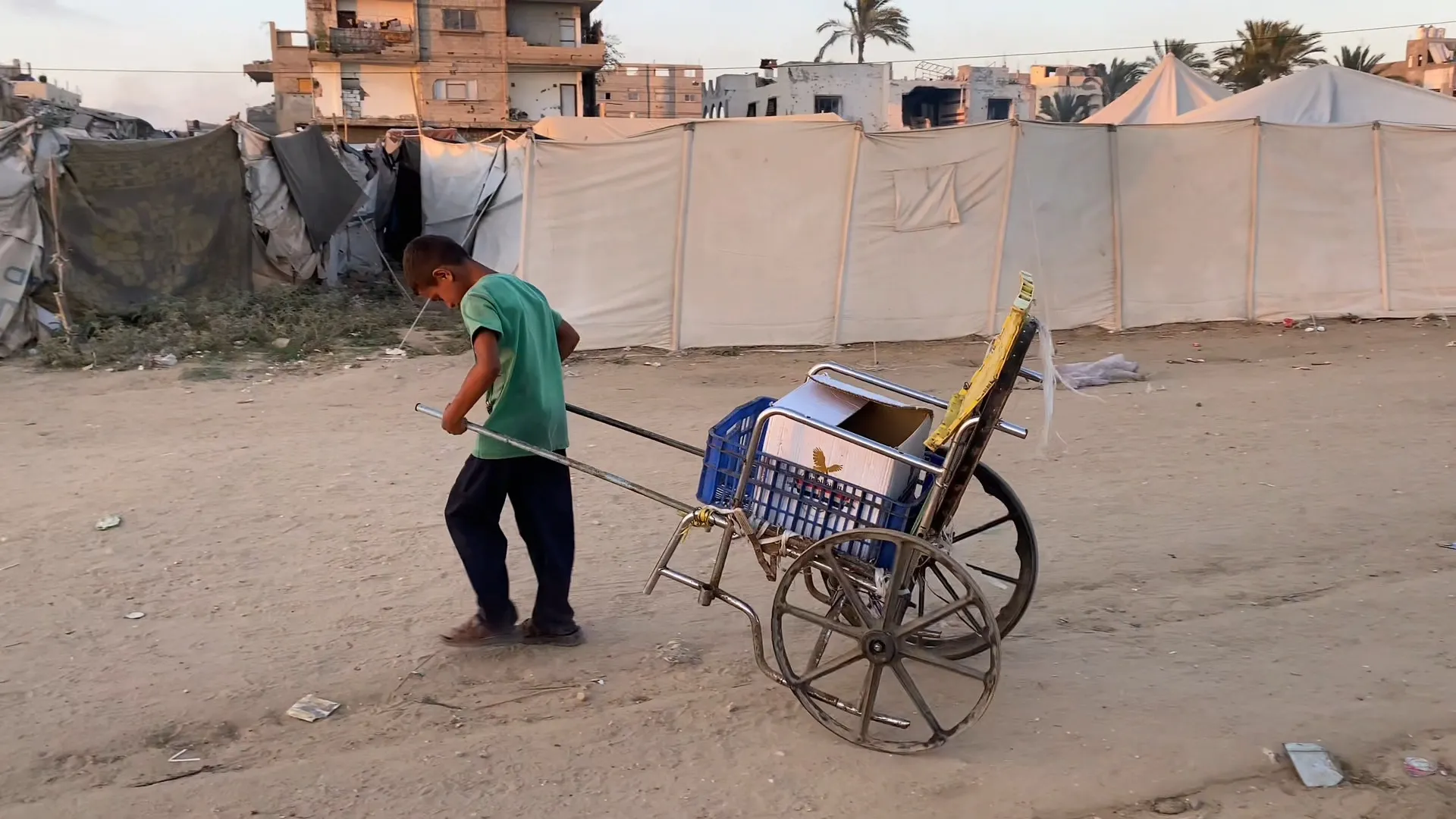
Our news from the cameras of Gazan journalists tells us that there is massive destruction and significant humanitarian suffering, and it is certain that beneath this destruction lies an infinite number of tragic stories. Journalists in Gaza struggle to convey part of these stories to us through various media and platforms, but the task is more difficult and complex and requires an army of journalists to document and convey what has happened and is happening.
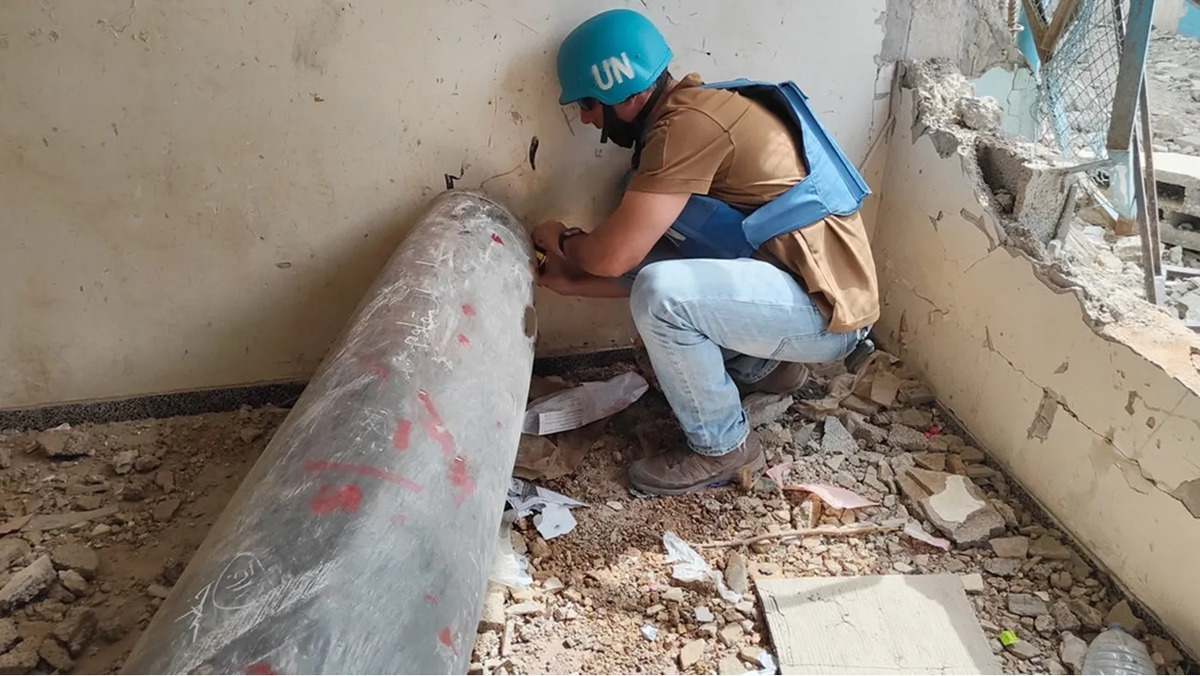
Israel is well aware of this, which is why it maneuvers to continue preventing foreign journalists from entering Gaza, as it knows the atrocities committed by its soldiers. I just read a news item stating that the sector is filled with mines planted by the occupation, in addition to unexploded bombs.
This reminded me of the mines left by British colonialism in the Alamein area in northern Egypt during its presence during World War II; about 22 million mines cover nearly 22 percent of the country's area, which is almost a quarter of Egypt's area, rendering this land unusable due to these mines, a file that has been buried by the years and days but not by the reality and the negative impact on the health of the population and the hindrance of using the land for housing and economy.
I attended a seminar years ago in the British House of Commons discussing this issue, calling on the countries involved in World War I to take responsibility for these mines, including handing over maps of these mines to Egypt. Britain provided some of these maps, but Egypt claims they are rudimentary and the mines still exist in areas that were not centers for British forces.
The issue of mines in the Gaza Strip is one of the thorny files that may be forgotten over time. The difference between the mines planted in Egypt and those in Gaza is that the mines in Egypt were and still are in areas far from the Nile Valley, where the population density is high despite their negative effects.
In Gaza, however, the geographical area does not allow the population to avoid these mines, making the demand for obtaining maps of them from Israel an urgent humanitarian necessity.
The other issue is assessing the extent of damage and human losses in property and infrastructure. Most of the published figures and statistics are based either on the use of Google Maps and open sources or on the efforts of local agencies in Gaza, which are already exhausted due to Israeli targeting and attempts to provide some basic necessities for the population during periods of relative calm after the ceasefire.
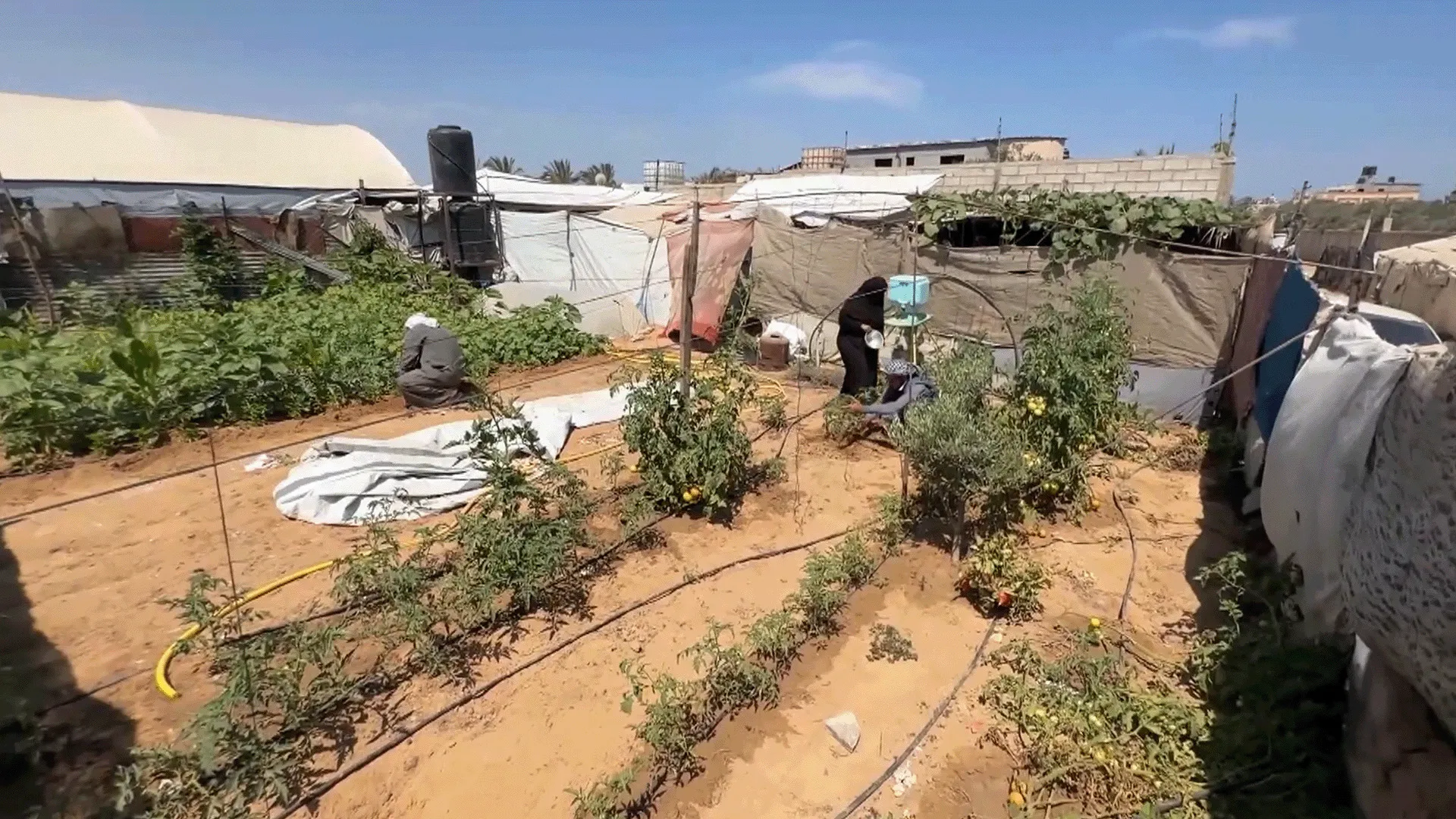
It is certain that the entry of specialized teams and journalists from various institutions will reveal more shocking figures left by the genocide over the course of two years. The unofficial narrative will also reveal the ability of Palestinian society under this war to achieve solidarity and the role of civil initiatives in relief and shelter.
The scarcity of resources and the spread of famine serve as a catalyst for civil strife in many communities built on ego and individualistic culture, unlike the Arab Muslim community in Gaza. These details may seem ordinary within Gazan society, but they are not ordinary and need documentation.
Israel is well aware of this, which is why it maneuvers to continue preventing foreign journalists from entering Gaza.

Share your opinion
The unofficial narrative of what is happening in Gaza