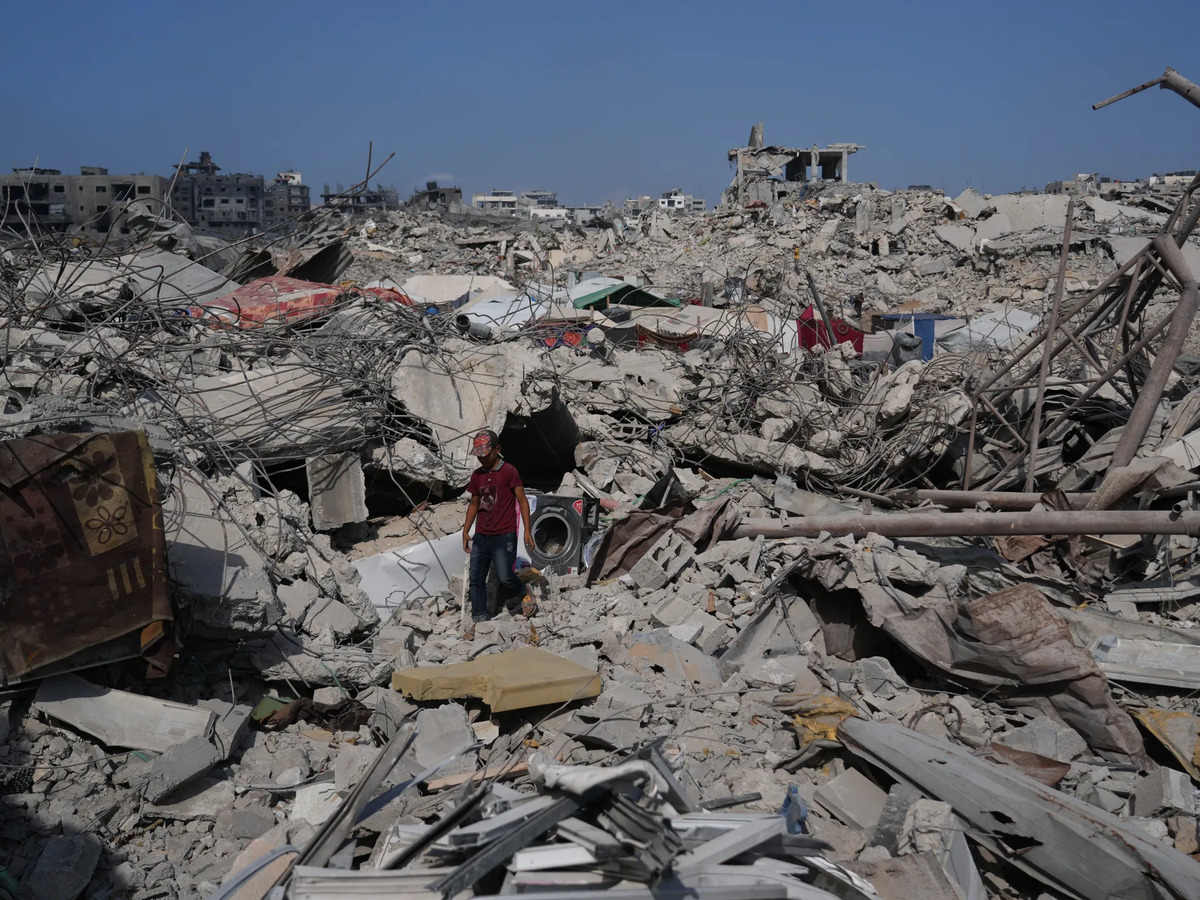







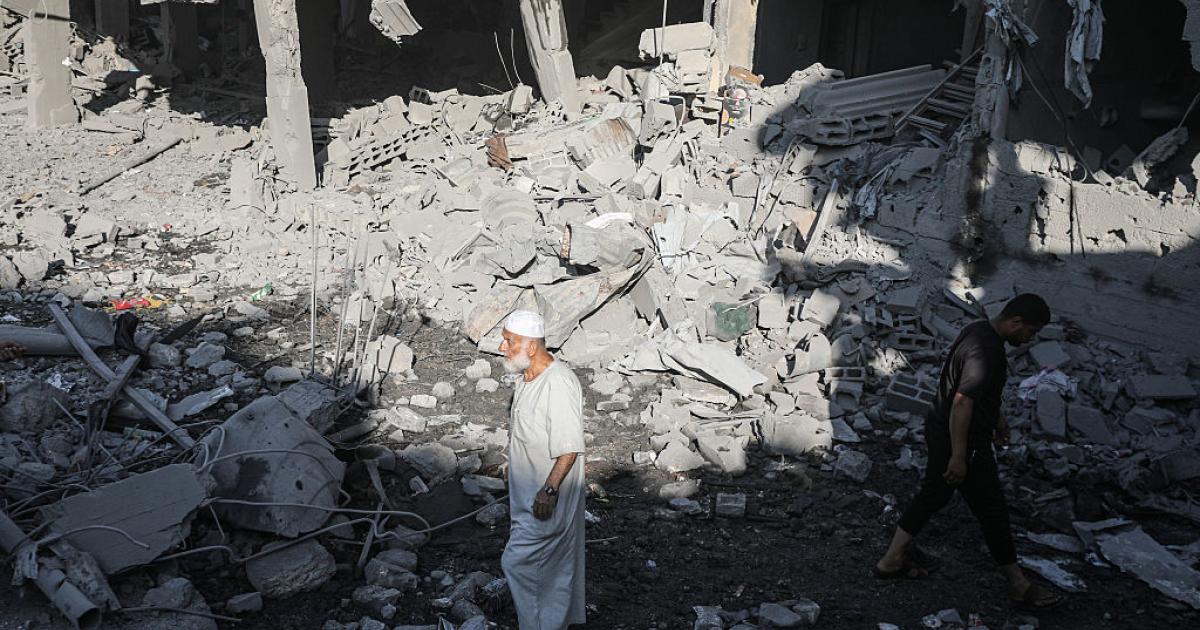
The Gaza Strip continues to experience a worsening humanitarian crisis despite the ceasefire, amid a severe shortage of water, the collapse of the health sector, and the prohibition of equipment to remove rubble and recover the bodies of martyrs from under the destroyed homes.
The Civil Defense in Gaza stated that there has been no real change on the ground except for the entry of a limited number of trucks that do not meet the minimum needs of the affected population since the agreement came into effect on October 10, 2023.
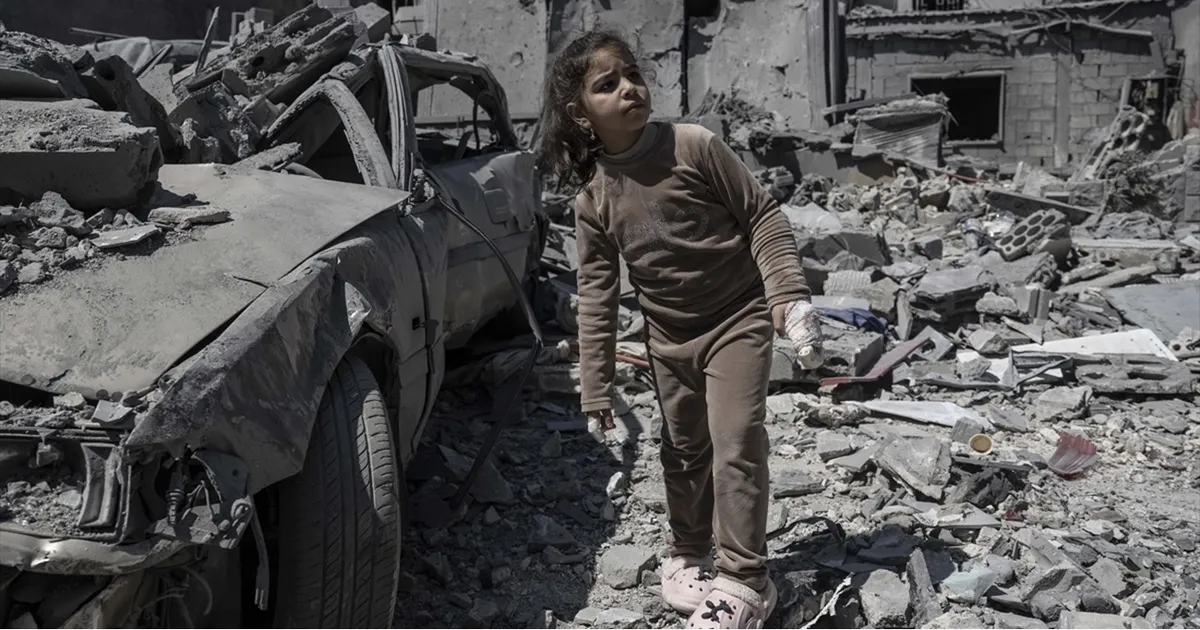
It added in a statement that homes remain destroyed and bodies are still under the rubble, while roads remain blocked by debris, noting that Civil Defense teams are working with almost no resources amid massive destruction covering various areas of the strip.
The Civil Defense called on the international community and humanitarian organizations to take urgent action for reconstruction, debris removal, and to allow the necessary equipment to recover the bodies of the victims and alleviate the suffering in Gaza.
It pointed out that the prohibition of entering the necessary equipment and machinery to remove the rubble exacerbates the humanitarian disaster and hinders rescue efforts, leaving thousands of families under extremely difficult living and health conditions.
The Civil Defense confirmed that its personnel are working with very limited resources amid total destruction of infrastructure and residential areas.
The statement demanded the urgent entry of engineering equipment and machinery through the crossings without restrictions, emphasizing that their use has become essential to save lives, recover bodies, and open roads throughout the strip.
In a related context, the Gaza Municipality appealed to international and humanitarian organizations for urgent action to provide essential needs to alleviate the humanitarian disaster in the city.
The Gaza Municipality stated that since the ceasefire, no construction materials, heavy machinery, or essential spare parts have reached it to enable it to carry out its vital work.
The Gaza Municipality clarified that the most pressing needs include construction materials, heavy machinery for waste collection and rubble removal, spare parts for vehicles, generators, and pumps, in addition to water and sewage pipes.
The water crisis in the Gaza Strip continues despite the end of the war.
The Gaza Municipality revealed a severe shortage of drinking water exceeding 80% of the daily needs of the population.
It attributed the cause of the crisis to the systematic destruction by the Israeli occupation of 56 central wells in Gaza City, in addition to the destruction of water and sewage networks.
For its part, the Palestinian Water Authority stated that losses in the water sector have exceeded one and a half billion dollars.
It indicated that more than 90% of water and sewage facilities in the strip have been destroyed.
In another development, Israel allowed the entry of commercial trucks and others loaded with aid into the Gaza Strip through the Karem Abu Salem and Kissofim crossings today, Friday.
However, the number of trucks allowed to enter the strip is still far less than what the ceasefire agreement stipulated, which called for the entry of 600 trucks daily.
Israeli forces continue to close the Zikim crossing at the far north of the Gaza Strip, which was used to bring in aid to the Gaza and northern governorates.
On October 16, the Gaza government office announced that the strip is an environmentally and structurally disaster-stricken area due to the Israeli genocide that left about 70 million tons of rubble and nearly 20,000 unexploded shells and rockets posing a constant danger to civilians.
Urgent international intervention has become an immediate humanitarian necessity that cannot be postponed.

Share your opinion
Humanitarian crises suffocate Gaza and urgent calls for action.