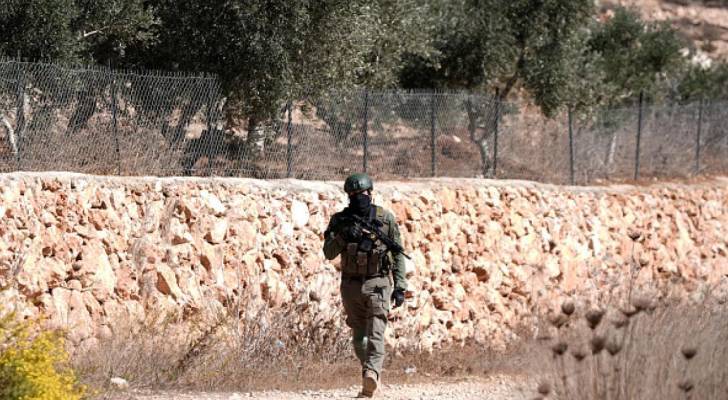







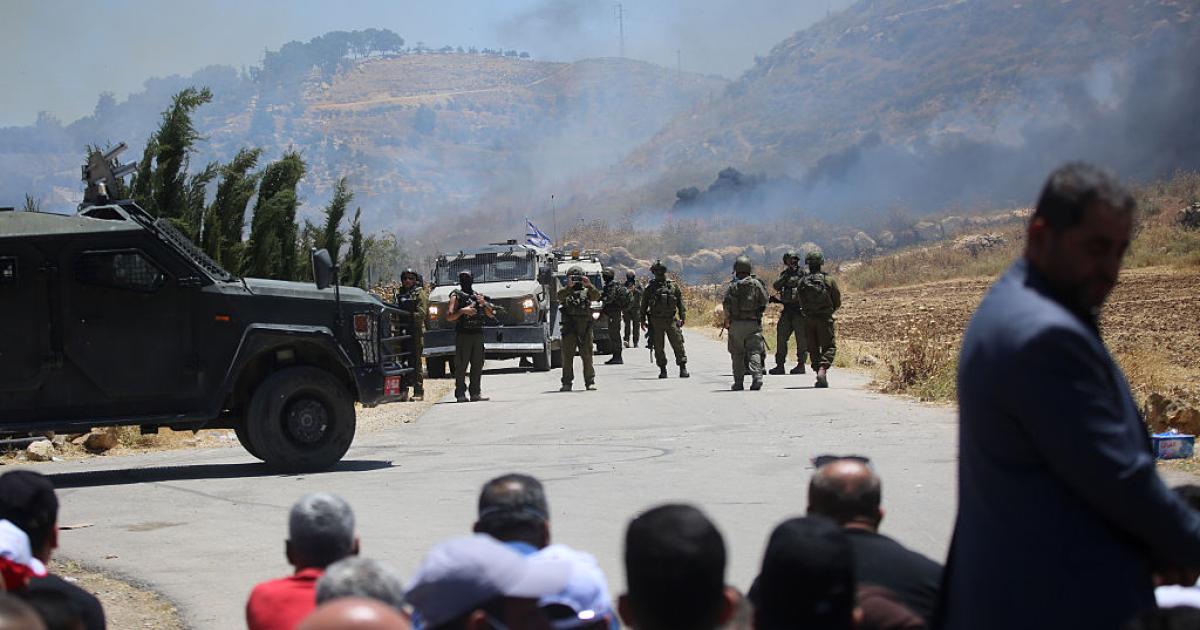
The Hebrew newspaper "Yedioth Ahronoth" revealed on Thursday a military plan being prepared by the Israeli occupation army to significantly reduce the number of defense forces stationed in West Bank settlements, while transferring part of the responsibility for local security to the settlers themselves.
This move comes after more than two years of intensive security reinforcements that began following the attacks on October 7, 2023, during which the army bolstered local defense units and mobilized thousands of soldiers in sensitive areas to ensure the prevention of repeated attacks.
Military sources indicate that the goal of the plan is to reduce direct military presence while continuing to monitor changing security assessments, ensuring the army's ability to intervene when necessary without fully relying on a large number of soldiers stationed in each settlement.
This planned withdrawal of forces is part of a redistribution of the military strategy of the occupation in the West Bank.
The Hebrew newspaper notes that the occupation army conducts periodic assessments of its units in various settlements, aiming to adjust military deployment in accordance with the actual security situation, while leaving more space for local communities to participate in maintaining security.
Observers believe that this trend reflects the army's belief that some settlement sites have become less susceptible to direct attacks, and that relying on local defense and involving civilians can reduce the financial and operational costs of a heavy military presence.
Although a final decision has not yet been made, the army has held several meetings with the heads of local councils in the settlements, asking them to prepare for a gradual reduction of forces in defense positions.
This announcement has raised serious warnings from Knesset members and security observers.
Knesset member Tzvi Sukkot, from the "Religious Zionism" party, stated that the army intends to reduce regional defense forces in the West Bank by about 30% in the coming weeks, which could leave population centers with significant gaps between security needs and allocated forces.
He added that this reduction could increase the settlements' exposure to threats, especially in areas that require a continuous military presence.
Sukkot pointed out that the army has informed residents that the responsibility for civil guard duties will be entrusted to them, warning that this approach imposes heavy financial burdens on small communities, which may not be able to fund the necessary security measures.
He emphasized that this step could increase risks to the settlements at a time when threats are rising, placing civilians in direct confrontation with security challenges without adequate support.
Sukkot explained that such a policy could negatively affect the stability of small and medium settlements, especially in the absence of a strong military presence capable of rapid intervention in the event of any security incident.
For its part, the Israeli occupation army confirmed that security assessments related to troop deployment are still ongoing, and that any final decisions will be announced later.
The occupation army stated that population centers in the West Bank have been trained in reserve teams and have strengthened their defensive infrastructure, alongside the combat forces already deployed in the area.
In its official statement, it said: "Regardless of the final decision, we have improved local defenses and equipped reserve units to provide greater security for the settlements and ensure the stability of the security situation in the West Bank."
It also emphasized that any future steps will be taken in full coordination with local councils to avoid any potential security gaps.
This reduction could increase the settlements' exposure to threats, especially in areas that require a continuous military presence.

Share your opinion
The occupation army plans to reduce its forces in the West Bank settlements and shift security responsibilities to the settlers.