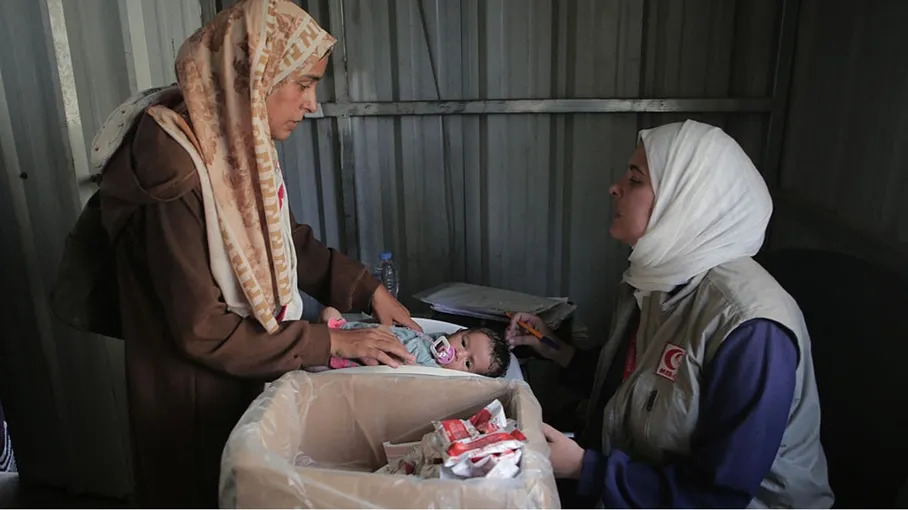







The United Nations Population Fund warned that the effects of malnutrition among pregnant women and infants in the Gaza Strip "will extend for generations," which "will likely cause problems that require lifelong care" for the children currently being born in Gaza.
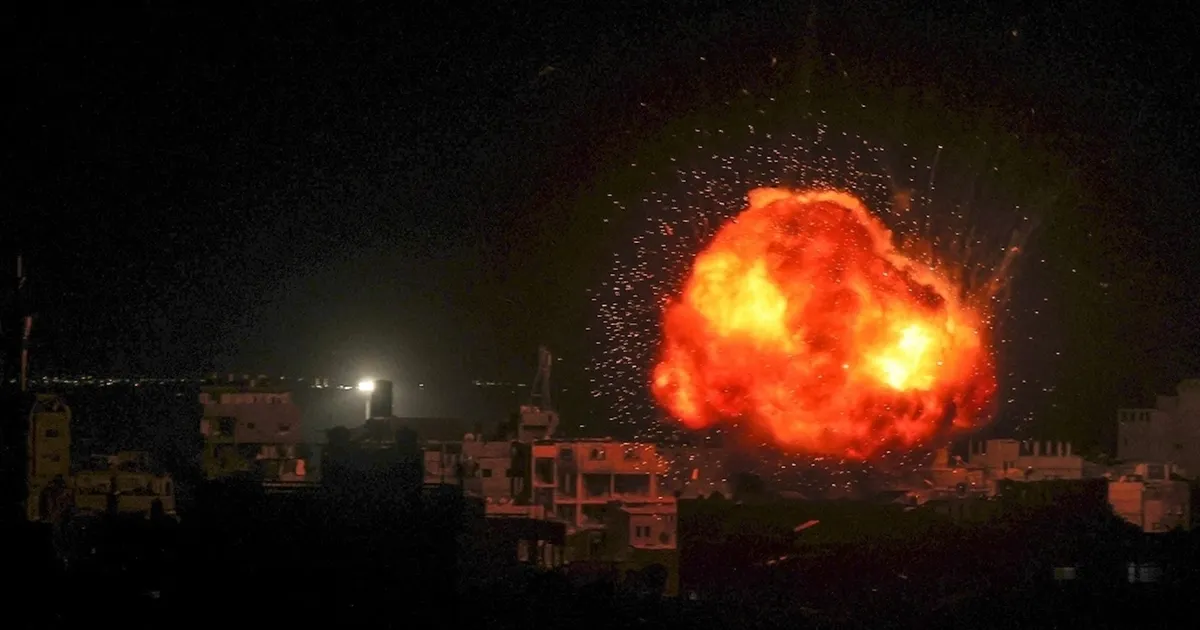
Upon returning from a five-day mission in Jerusalem and the West Bank, in addition to Gaza where he spent five hours in the Palestinian territory, the Fund's representative Andrew Saberton held a press conference at the United Nations headquarters in New York, during which he stated that the scale of destruction he witnessed resembled a Hollywood movie.
He reminded that one in four residents in Gaza suffers from hunger, noting that among them are 11,500 pregnant women.
He added that as a result, 70% of newborns are born premature and with low birth weight, compared to 20% in the period before the outbreak of war on October 7, 2023.
Saberton explained that all neonatal facilities in the sector are operating well above their capacity (170% of their capacity), forcing them to place multiple children in one incubator.
He pointed out that a third of pregnancies in the sector are currently considered "high-risk" and that the maternal mortality rate is "high."
The senior official at the United Nations Population Fund confirmed that "malnutrition is the biggest problem," in addition to other issues such as a shortage of medicines and the destruction of medical infrastructure, as 94% of hospitals in the sector have been damaged or destroyed, and 15% of institutions providing emergency obstetric care.
Saberton noted that the lack of contraceptives forces some women to resort to "dangerous abortions."
He added that all forms of gender-based and sexual violence, including early marriage, "have exploded in Gaza, as is the case in other conflicts."
Malnutrition is the biggest problem, in addition to other issues such as a shortage of medicines and the destruction of medical infrastructure.





Share your opinion
United Nations: The effects of the Gaza war on pregnant women and infants will extend for generations.