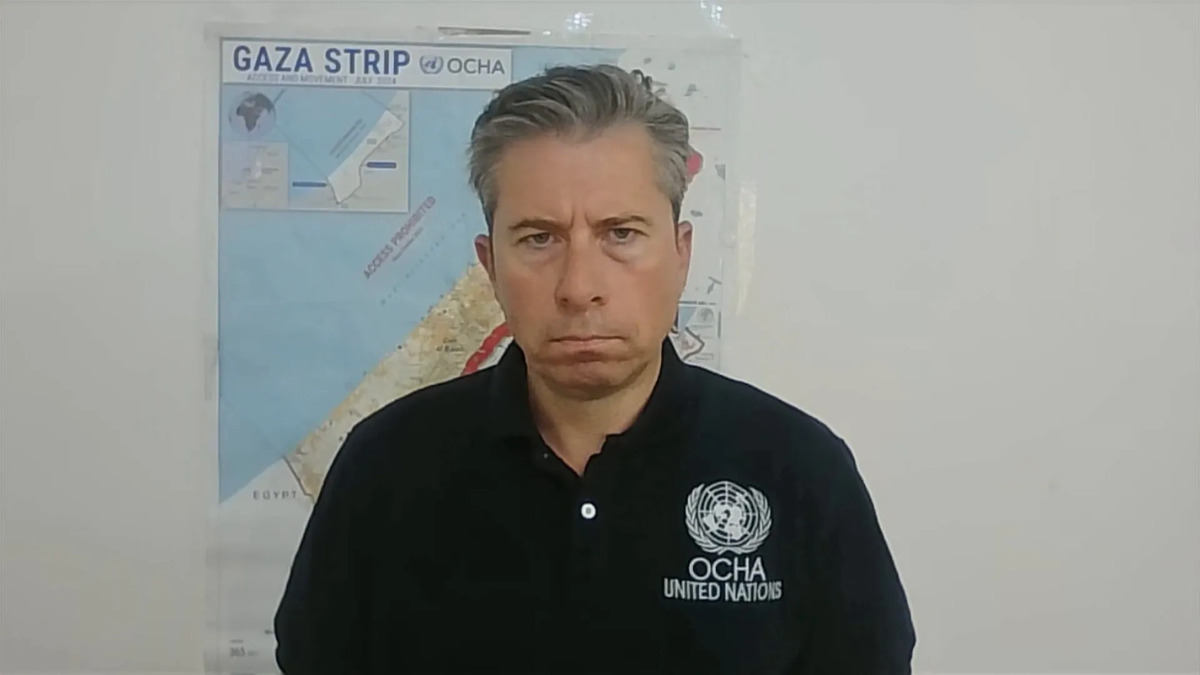







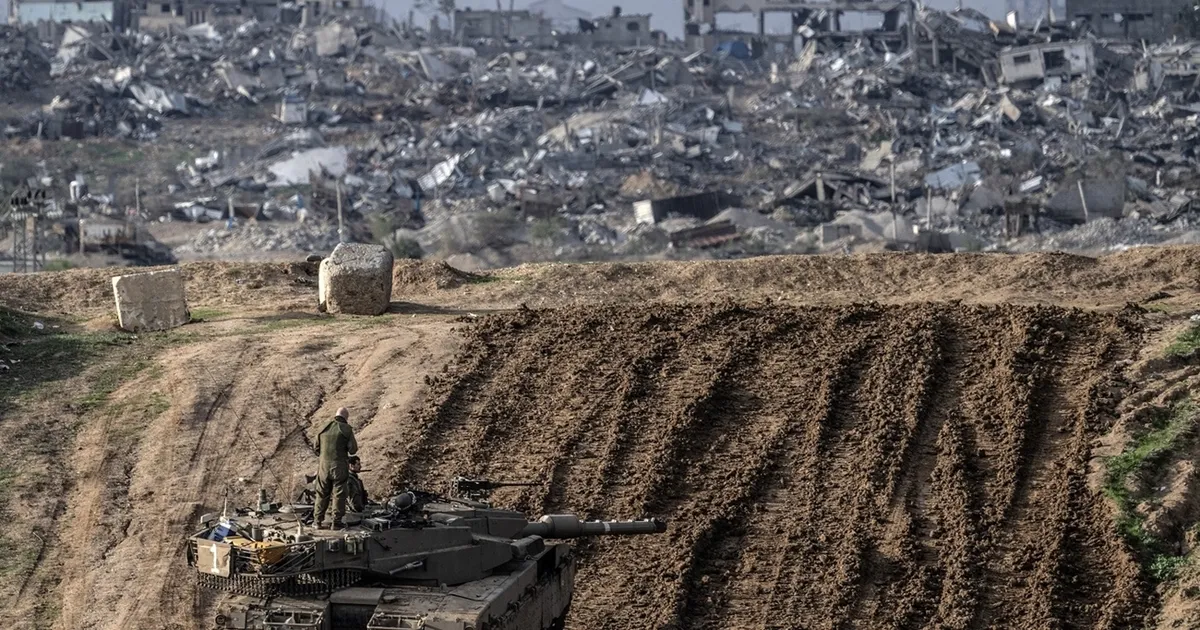
UN Under-Secretary-General for Humanitarian Affairs Tom Fletcher warned that the scale of the tasks required to recover bodies from the rubble in the Gaza Strip is "huge and exceeds the capacity of any single entity," emphasizing that thousands of destroyed buildings and homes conceal the remains of entire families waiting to be retrieved.
Fletcher stated in an interview from Gaza City that there is "a huge and monumental task ahead of us," explaining that the widespread debris complicates search and recovery operations significantly and requires heavy equipment and specialized tools, many of which Israel continues to prevent from entering.
He added that many families are still waiting to recover the bodies of their loved ones, stressing that this issue represents "a purely humanitarian matter" that should be included in the field commitments of the ceasefire agreement, calling on all parties to cooperate to facilitate the task.
He confirmed that the need for specialized search and rescue equipment is an urgent priority within the UN plan, noting that the massive amount of rubble makes it difficult to reach victims without significant engineering and technical intervention, and that humanitarian response must include these operations alongside food and medical relief.
Speaking about the overall situation in the sector, Fletcher described the humanitarian condition as "extremely difficult," stating that the cities he visited have been "leveled to the ground" and that the level of destruction "exceeds all imagination." He explained that what he witnessed during his tours in Gaza reflects immense suffering that requires broad international solidarity.
He pointed out that efforts continue to remove debris, reopen roads, and facilitate the delivery of aid, confirming that the UN needs thousands of trucks weekly to distribute food, health, and educational assistance, and that about one million meals are currently being distributed to the population, despite the significant lack of resources.
He clarified that the health sector is under severe pressure, and hospitals are in urgent need of fuel, medicines, and equipment, while hundreds of thousands of children remain waiting to return to their schools as part of a broader plan to restart the educational process.
Fletcher addressed the UN's 60-day plan following the ceasefire agreement, stating that it is a "comprehensive plan" that includes the entry of thousands of trucks with supplies over the coming weeks, alongside supporting the operation of local bakeries that have begun producing hundreds of thousands of loaves of bread daily thanks to the arrival of yeast, flour, and fuel.
He added that the plan also includes the entry of thousands of tents in preparation for winter, providing the necessary fuel for cooking, heating, and operating sewage stations, as well as rehabilitating hospitals and schools and supplying them with books and educational materials.
He stressed that "the challenge ahead of us is great," and that rebuilding Gaza requires long-term efforts, affirming that the time has come for the world to act seriously to support the sector after years of neglect and isolation.
Regarding the coordination of aid entry, Fletcher stated that the Israeli side has committed to allowing trucks to pass, and that the UN has begun to see a tangible impact after the opening of the Rafah crossing and the actual entry of supplies, but he emphasized the need to open all crossings for the continuous flow of aid.
He also called for empowering international and Palestinian NGOs to work side by side in distributing aid, noting that markets need the return of essential goods such as eggs and daily necessities for life.
Concerning the deaths of more than 100 UN staff during the war, Fletcher expressed "deep sorrow for the loss of colleagues," affirming the UN's commitment to the principle of accountability and continuing its mission "in honor of their memory," stressing that the organization will continue its humanitarian presence in the sector despite the challenges.
Fletcher emphasized the necessity of not leaving Gaza alone in facing this destruction, calling on the international community for genuine and sustainable solidarity.
Restoring life to this devastated place is not solely the responsibility of the Palestinians, but a global humanitarian duty.

Share your opinion
UN official: A significant effort is needed to retrieve the bodies in Gaza.