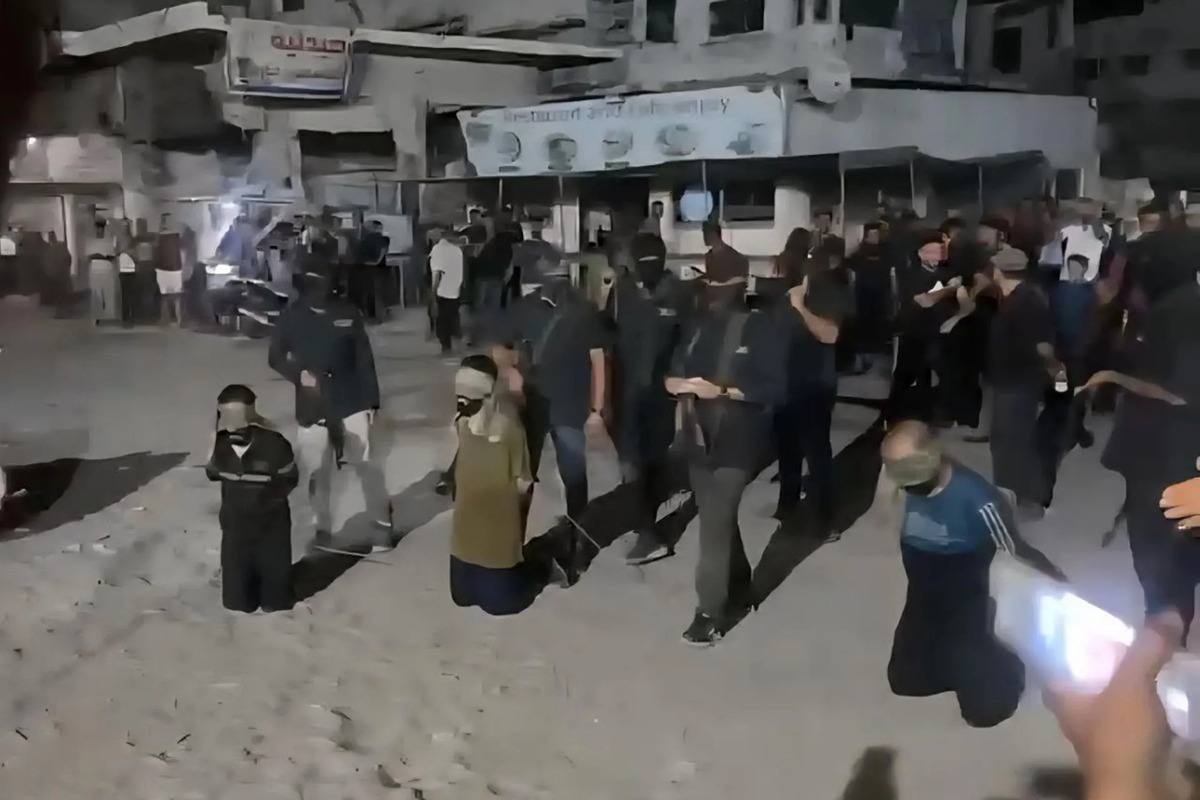







With the increasing news about the imminent agreement to ceasefire between the Palestinian resistance factions and Israel, tension prevails among the armed gangs that the occupation army has overseen the formation and protection of in several areas of the Gaza Strip.
These gangs fear for their fate if the army withdraws from residential areas and redeploys near the borders, as they will lose the protection it provides them, given that their members currently reside in areas closest to the eastern border of the Strip.
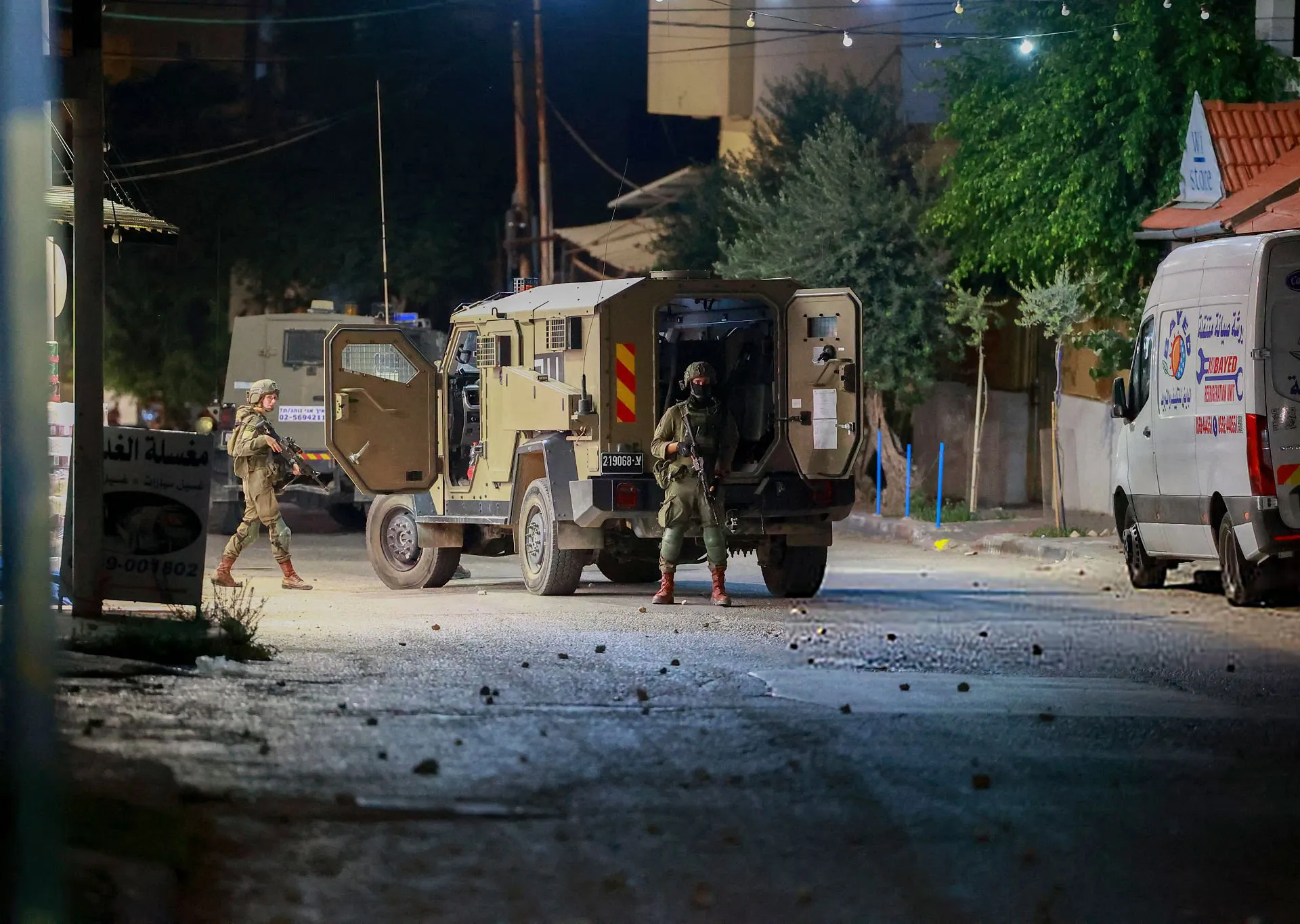
The occupation forces have recruited armed local elements and assigned them security tasks to pursue resistance members and carry out special operations in their place.
Security roles began to emerge for the armed gangs at the end of 2024 as part of the occupation's search for alternatives to governance in Gaza, but community rejection of the emergence of such formations prompted the Israeli army to grant them security roles.
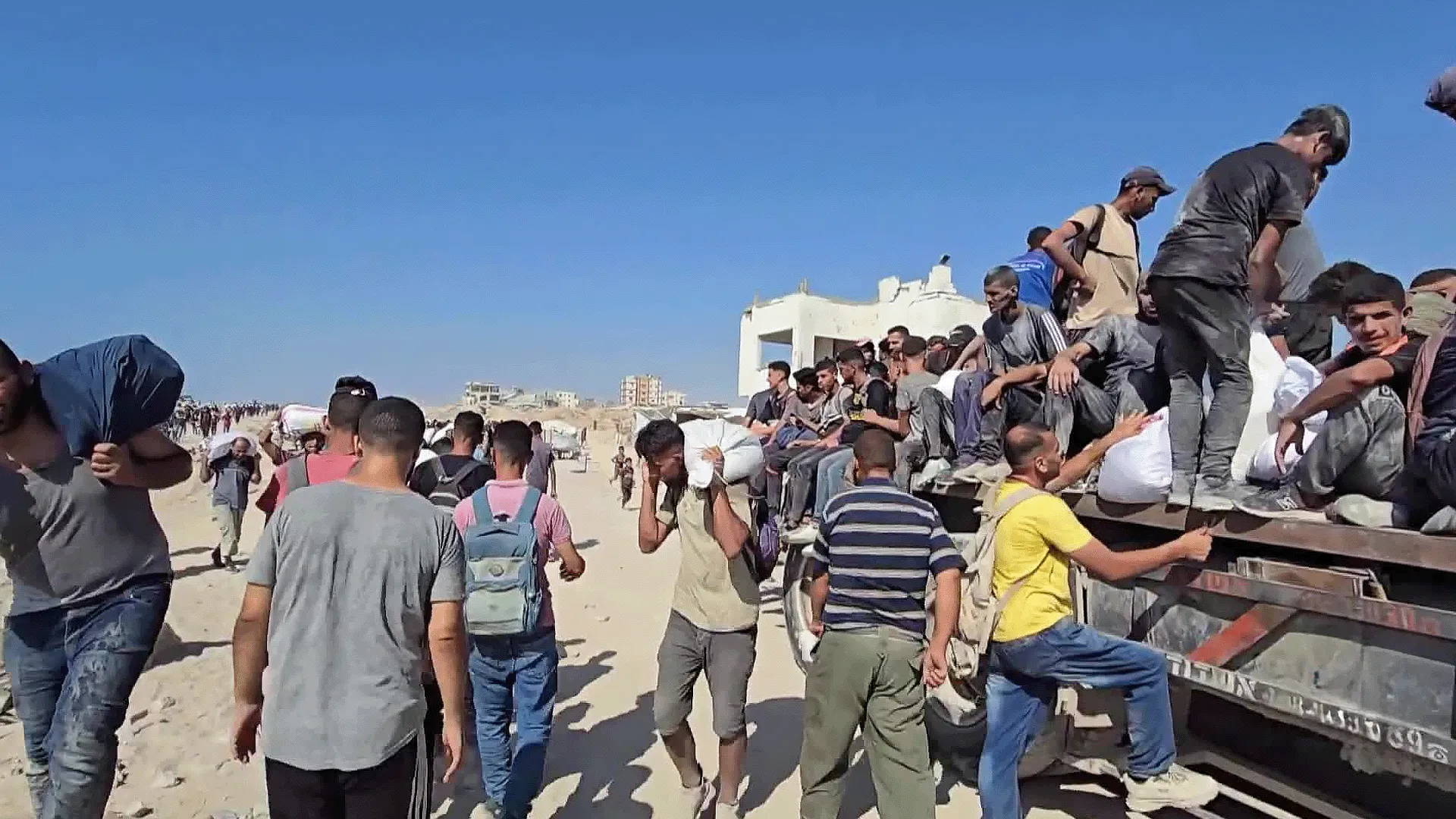
A source in resistance security summarizes this as follows: stealing humanitarian aid coming to the residents of the Strip under the protection of the occupation army with the aim of starving more than two million Palestinians.
Securing and combing certain areas for fear of the presence of Palestinian resistance elements, and acting as front lines for combat, exposing them to danger instead of army forces.
Carrying out special operations within residential areas and kidnapping wanted individuals for the Israeli occupation.
Instigating insecurity by firing directly at citizens unexpectedly, causing panic among them.
Securing entry points for occupation forces and moving around them before the entry of trained police dogs.
Temporarily protecting the positions of the occupation army and acting as a local 'pre-guard' layer that allows the occupation to reduce direct exposure of its forces.
Performing local intelligence tasks and attempting to obstruct the movement of civilians and resistance.
According to resistance security, with discussions about the imminent agreement for a ceasefire, five members of the gang led by Yasser Abu Shabab requested mediation from their families with resistance security to obtain amnesty in exchange for surrendering themselves after feeling completely abandoned by the gang leaders.
The field picture from the security agencies in Gaza indicates the existence of four criminal formations in the establishment and recruitment phase, with security agencies successfully dismantling and neutralizing two of them during crime-fighting efforts.
Two gangs remain accompanying the occupation forces and are located in the occupation's concentration axes and around its entry points, receiving protection from drones.
A high-ranking security source in the security agencies in Gaza estimates the number of members in each of the two gangs to be about 80 individuals, most of whom have criminal records in drug-related cases, murder, robbery, and community crimes.
He clarified that their dealings with these formations were firm and principled, manifested in: executing and neutralizing a group of individuals from these gangs, the latest of which occurred in Gaza City.
Accurate intelligence measures resulted in the dismantling, arrest, and neutralization of elements from two armed formations.
Opening judicial files against the detainees, with constant monitoring of the remaining networks to apprehend them at the right time.
The same source emphasized that the security agencies did not hesitate to engage in legal action, investigation, and arrest, balancing firmness in the field with maintaining public security and civilian rights.
It is expected that the occupation will continue in the short term to exploit these gangs as temporary tools to protect its interests or to fill a security vacuum in areas under its control.
However, this partnership will end after exhausting their tasks, 'which exposes the local community to waves of violence and subsequent chaos.'
According to the high-ranking security source, during the past period, more than 45 elements from these formations voluntarily surrendered to the security agencies.
Some provided substantial intelligence information about the nature of the gangs' operations, their funding sources, and their movement methods.
He pointed out that the security agencies deal with surrender cases according to the law through interrogation and presenting evidence to judicial authorities.
He warned of the dangers of the occupation's policy of relying on local gangs and 'its long-term impact on the social and security fabric in the Strip.'
Therefore, the security agencies operate on the principle of punishment and accountability, not leniency towards those who commit crimes against civilians, steal aid, or commit offenses.
The same source confirmed that the security agencies have prepared a security plan and a community and judicial strategy to deal with multiple scenarios after any settlement or agreement.
He emphasized the need for the international community and influential powers to understand that any support or oversight of occupying forces over local armed formations is considered a dangerous policy classified as responsibility for the resulting violations.



Share your opinion
What is the fate of the armed groups in the Gaza Strip?