







The Japanese capital, Tokyo, has witnessed a wave of protests in recent days led by a far-right party in response to agreements that the demonstrators claimed were cooperation agreements made by the government with African countries and Egypt, amid concerns about receiving foreign and Egyptian labor and expanding immigration to Japan.
Japan had launched a new initiative during the TICAD 9 conference called "JICA Africa Hometown," aimed at linking several Japanese cities with four African countries to enhance cultural exchange and local cooperation through community and volunteer activities. The participating Japanese cities are: Kisarazu with Nigeria, Nagai with Tanzania, Sanjo with Ghana, and Imabari with Mozambique.
The misinterpretation of the initiative as a step towards granting visas or receiving immigrants sparked widespread public controversy on social media, with some users accusing the government of trying to open the door to foreigners. However, the government and JICA clarified that the initiative is limited to cultural and humanitarian exchange and has no relation to immigration or granting permanent residency.
On August 19, 2025, the Tokyo government, represented by Governor Yuriko Koike, signed a memorandum of understanding with the Japan-Egypt Economic Committee (JEBC) in the presence of Egyptian Prime Minister Mostafa Madbouly. The agreement aimed to train and qualify Egyptian labor in Egypt before their transition to work in Japan as part of programs related to the TICAD conference.
Despite the government's clarifications, protests erupted on September 12 and 13, 2025, led by far-right politician Yosuke Kawai, known in the media as "The Joker," protesting the agreement on the grounds that it paves the way for opening immigration and settling foreigners in Japan.
The Tokyo government quickly responded with a clarification campaign on social media using the hashtag #TOKYO_CORRECT, emphasizing that the agreements do not grant special visas or permanent residency and are limited only to training and temporary exchange between Japan and African countries and Egypt.
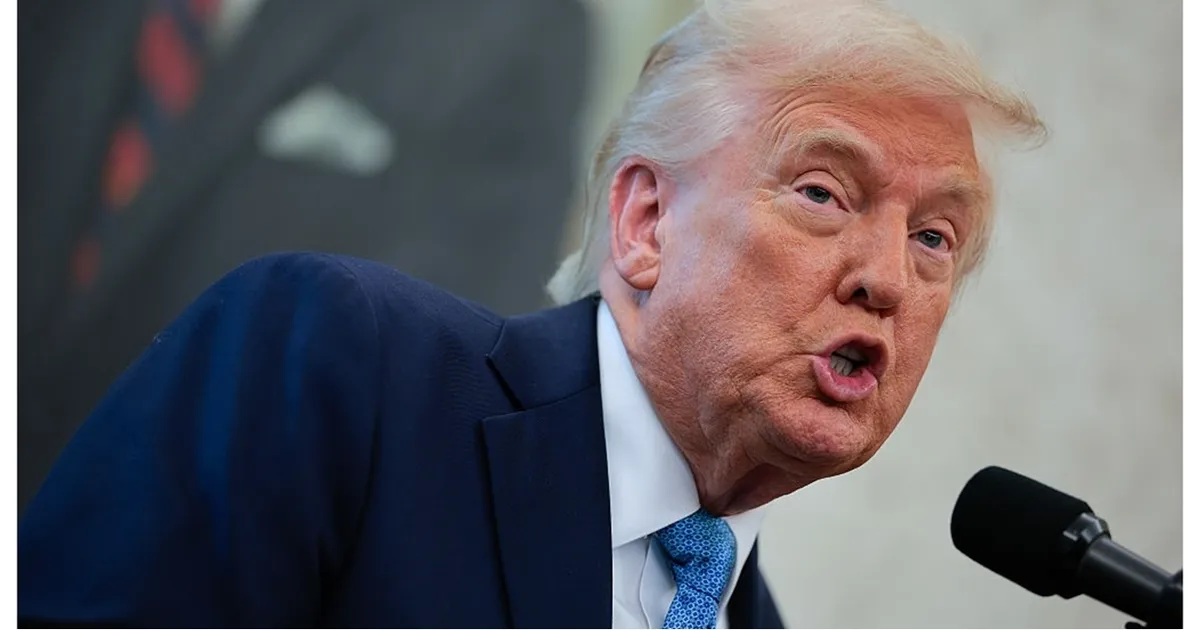
The results of the Japanese Senate elections on July 20 revealed signs of a significant political shift in the country, following the notable gains made by the Sanseito Party (参政党), one of the emerging right-wing parties, with its slogan "Japan First," raising questions about the rise of populism and a focus on nationalism in Japan, compared to models like Trump in the United States.
The Sanseito Party (参政党) was founded about five years ago, around 2020, as a small political group aimed at giving voice to citizens dissatisfied with traditional politics and the ruling elite.
The party's representation in parliament has significantly increased, reaching 14 seats in the Senate and 3 seats in the House of Representatives, after having only one seat. The Sanseito Party has successfully expanded its membership base from less than 3,000 to about 90,000 registered members, known for its conservative rhetoric focusing on national identity, education, health, and rejecting the expansion of receiving immigrants or refugees, justifying this by the need to preserve Japanese culture and enhance social cohesion.
The party is led by Sohei Kamiya, 47, who began his political career as a member of the Suita City Council in Osaka Prefecture and later moved from the Liberal Democratic Party after an electoral failure. Some describe him as a miniature version of Donald Trump, especially after adopting the campaign slogan "Japanese First," focusing on nationalism and confronting what he calls the "silent invasion" of immigrants.
Kamiya asserts that his party does not seek to be anti-foreigner but aims to impose strict restrictions on immigration to preserve national identity, with repeated criticisms of what he calls the "global elite" and the "deep state."
According to a previous report in The Guardian, the party attracts a diverse group of voters, from disgruntled conservatives to conspiracy theorists, benefiting from its online popularity, with its YouTube channel subscribers exceeding half a million.
The party's policies rely on several axes: immigration: calling for strict restrictions on the entry of immigrants and foreign labor, emphasizing the priority of Japanese in the labor market.
Social values: encouraging young women to focus on childbirth rather than work, while emphasizing respect for "traditional values" in schools.
Security and defense: supporting Japan's possession of nuclear weapons and visits by party members to the Yasukuni Shrine in commemoration of World War II.
The rise of the Sanseito Party has led to a decline in the authority of the ruling Liberal Democratic Party, with the resignation of Prime Minister Shigeru Ishiba, paving the way for smaller parties and the rise of populist right-wing movements.
The party exploits the demographic reality, where the percentage of the population born abroad is only about 3 percent, while Japan faces challenges in filling labor



Share your opinion
"Japanese First".. How did the far-right emerge in Japan and what is its relation to "occupation"?