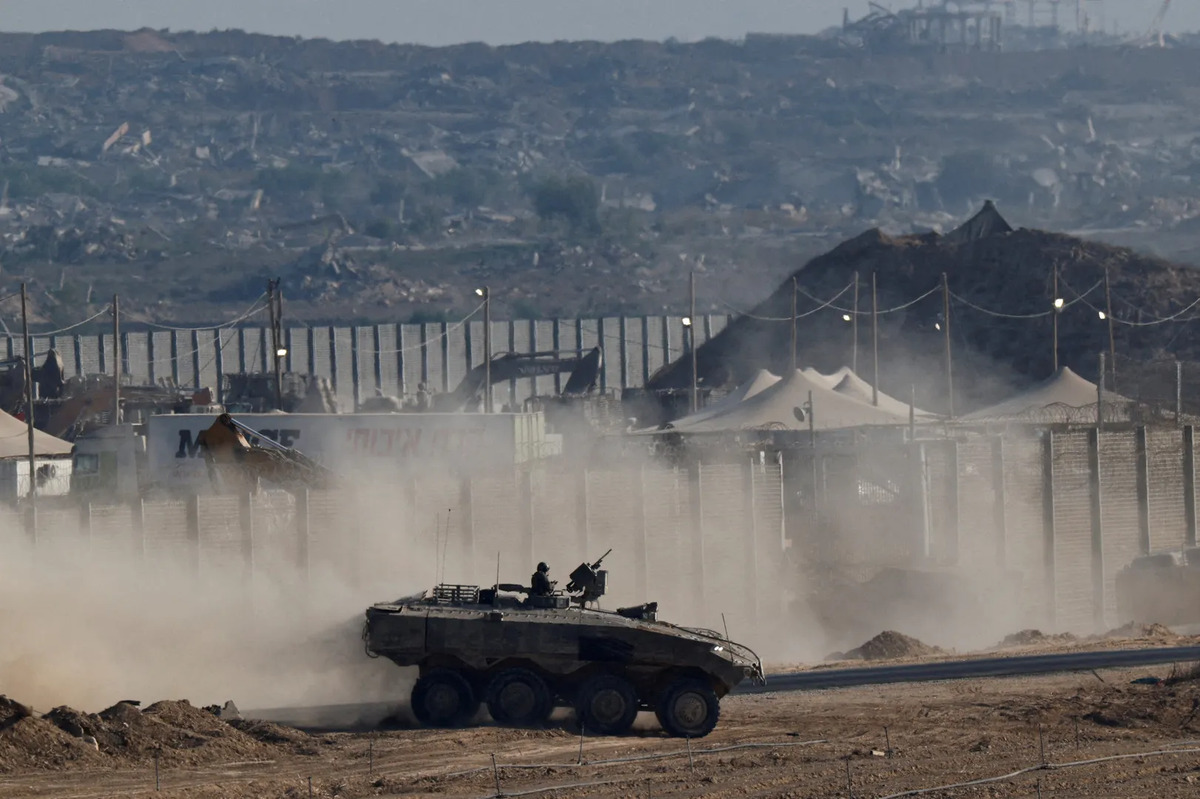







Global newspapers addressed various aspects of the Israeli war on the Gaza Strip, focusing on the failure of the Israeli military strategy, the policy of preventing media coverage, and the escalating humanitarian crisis.
In its assessment of the military situation, the Israeli newspaper Maariv described the notion that defeating the Islamic Resistance Movement (Hamas) requires seizing the city of Gaza as "misleading propaganda" promoted by Israeli Prime Minister Benjamin Netanyahu, who is wanted by the International Criminal Court.
The newspaper clarified that occupying the Strip does not carry any clear strategic goal for Israel, noting that the security incidents faced by soldiers show that the Israeli army is sinking into what resembles quicksand, and that the army leadership is well aware of this reality.
This perspective aligns with what Haaretz presented in an article about what it called the "August lesson" that Netanyahu did not learn from.
The newspaper recalled the incident of retrieving the bodies of 6 prisoners from inside a tunnel in Rafah, an area that many security leaders warned against entering, while Netanyahu insisted on proceeding with this endeavor, which led to the deaths of hostages.
The newspaper points out that Netanyahu is now repeating the same mistake and pushing Israeli forces to the location where the remaining hostages are.
On the media front, The New York Times highlighted the abysmal failure of Netanyahu's strategy to control the Israeli narrative globally.
It noted that Netanyahu and his government partners believed that preventing foreign journalists from entering Gaza would enhance the Israeli narrative.
While this policy internally helped provide some Israelis with an excuse to dismiss coverage of the crisis as Palestinian propaganda, it failed miserably on the global stage.
The newspaper addressed the effective role of "brave" Palestinian journalists and social media in enabling the world to witness the mass killings and the manifestations of hunger and widespread destruction in Gaza, which sparked widespread condemnation against Israel.
The British newspaper The Guardian deepened this analysis by highlighting the danger threatening the lives of journalists and their families in Gaza.
It explained that Israel's desire to prevent the world from seeing the violations being committed has imposed a heavy price on Palestinian journalists.
Instead of stopping international condemnation of its behavior by ending the war, Israel is working hard to prevent the world from knowing any news about what is happening inside Gaza and is determined to promote its narrative.
In the humanitarian context, The Washington Post discussed what it described as the largest initiative so far to lift the siege on Gaza and the fourth attempt within a year to deliver aid to the Palestinians in the Strip by sea.
The newspaper pointed to the "Fleet of Resilience" that set sail from Barcelona heading towards the shores of Gaza at a time when Israel threatens to reduce the amounts of aid it allows to enter, even though it does not meet a significant percentage of basic needs according to expert estimates.
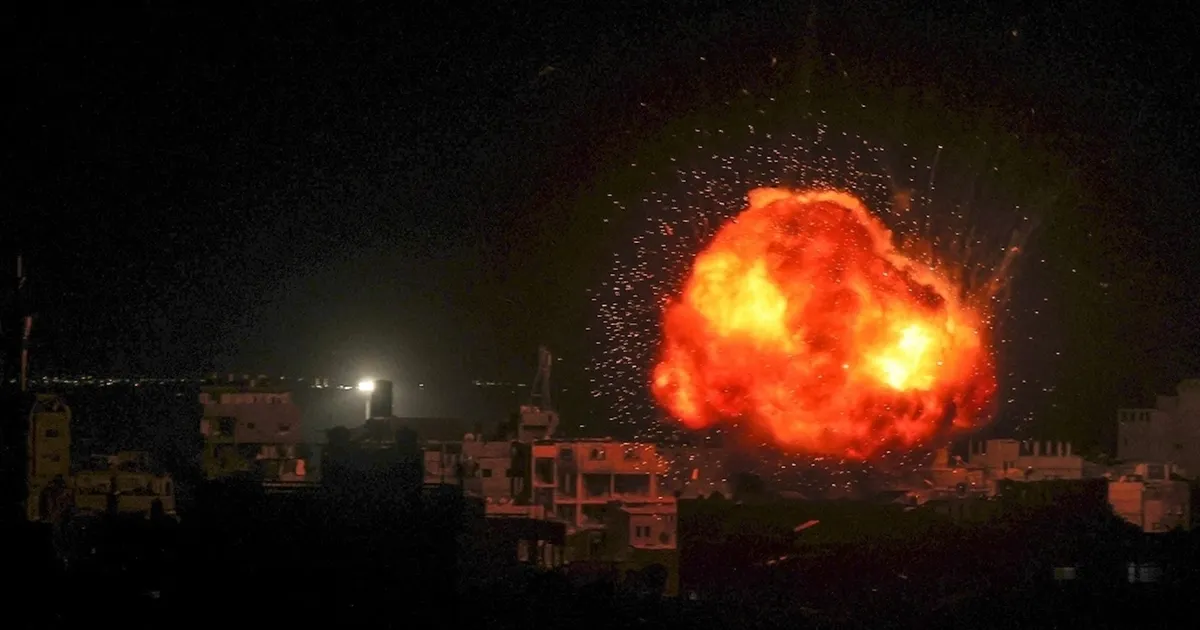
The policy of preventing foreign journalists from entering Gaza has failed miserably on the global stage.


Share your opinion
Global Newspapers: Netanyahu's Strategy and Efforts for Media Control Failed in Gaza