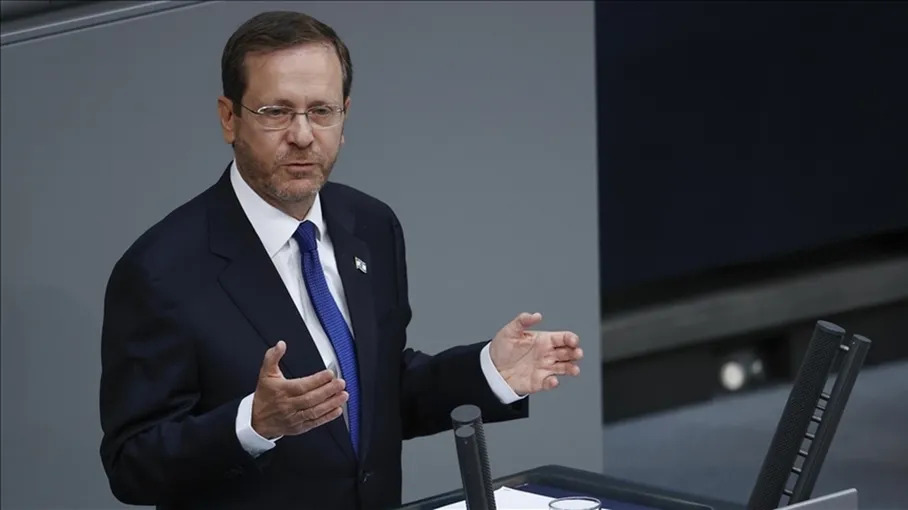







The President of the occupying state, Isaac Herzog, is considering reducing the sentence of the extremist terrorist, Amihai Booper, who killed seven Palestinian workers in the "Eyes of Qara" massacre, despite warnings that any leniency in the sentence may encourage the repetition of similar crimes.
The newspaper "Yedioth Ahronoth" reported on Sunday that Herzog has not yet made a final decision; however, the presidential pardon committee and the Ministry of Justice have conducted a study in recent months on requests submitted by Jewish prisoners convicted of terrorist crimes against Palestinians.
These individuals have demanded a reduction in their sentences, under the pretext of releasing Palestinian prisoners in previous deals made between the occupying government and the resistance in the Gaza Strip.
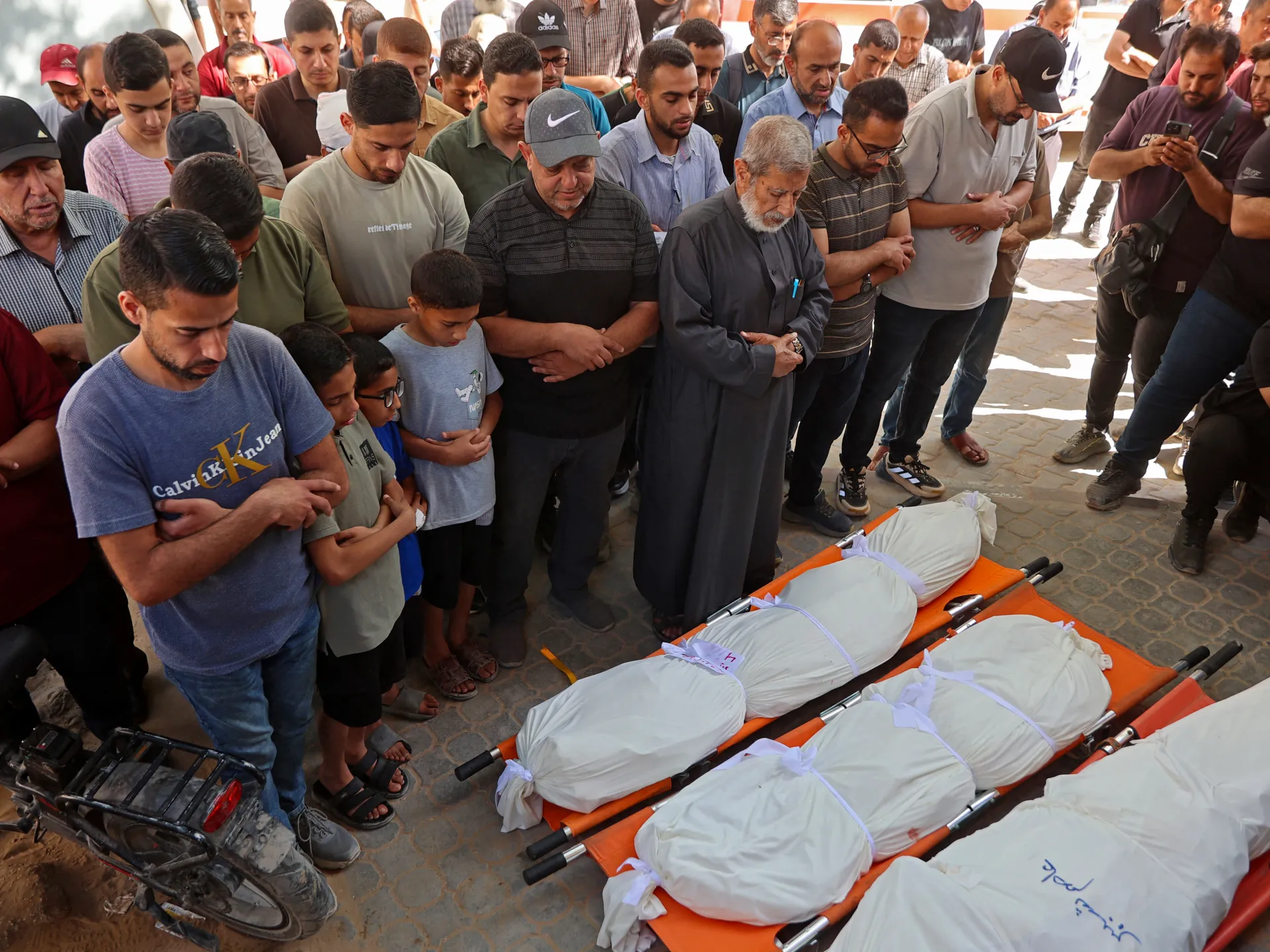
The Eyes of Qara massacre on May 20, 1990, saw Booper open fire with a military rifle on Palestinian workers from the Gaza Strip who were waiting at a bus stop near the Rishon Lezion area, resulting in the martyrdom of seven and the injury of ten others.
The massacre was followed by widespread protests in Gaza, resulting in the martyrdom of 19 individuals during a week of confrontations, and it is remembered in Palestinian memory as "Black Sunday," while the massacre committed by Booper is known as the "Eyes of Qara" massacre.
The martyrs of the massacre are: Abdul Rahim Muhammad Salem Barika, Ziad Mousa Muhammad Suwaid, Zayed Zidan Abdul Hamid Al-Amour, Suleiman Abdul Razzaq Abu Anza, Omar Hamdan Ahmad Dahlez, Zaki Muhammad Muhammad Qadih, and Yusuf Mansour Ibrahim Abu Daqa.
Following the massacre, Booper was sentenced to seven life sentences after he stole a weapon from his soldier brother and opened fire on Palestinian workers at the "Gan Hevradim" intersection in the city of Rishon Lezion.
In 1999, former Israeli President Ezer Weizman, based on the recommendation of then-Minister of Justice Tzachi Hanegbi, decided to reduce the sentences of seven Jewish terrorists, including Booper, and his sentence was reduced to 40 years.
Any leniency in the sentence may encourage the repetition of similar crimes.


Share your opinion
Herzog is studying the mitigation of the sentence for the extremist who committed the "Eyes of