






The crimes committed by the occupation against journalists in the Gaza Strip continue, as six more journalists were martyred on Monday, including Al Jazeera photographer Mohamed Salama, in a bombing that targeted Nasser Medical Complex in Khan Younis. This incident comes less than a month after the martyrdom of Al Jazeera correspondent Anas Al-Sharif, highlighting the dangerous situation faced by journalists in the region.
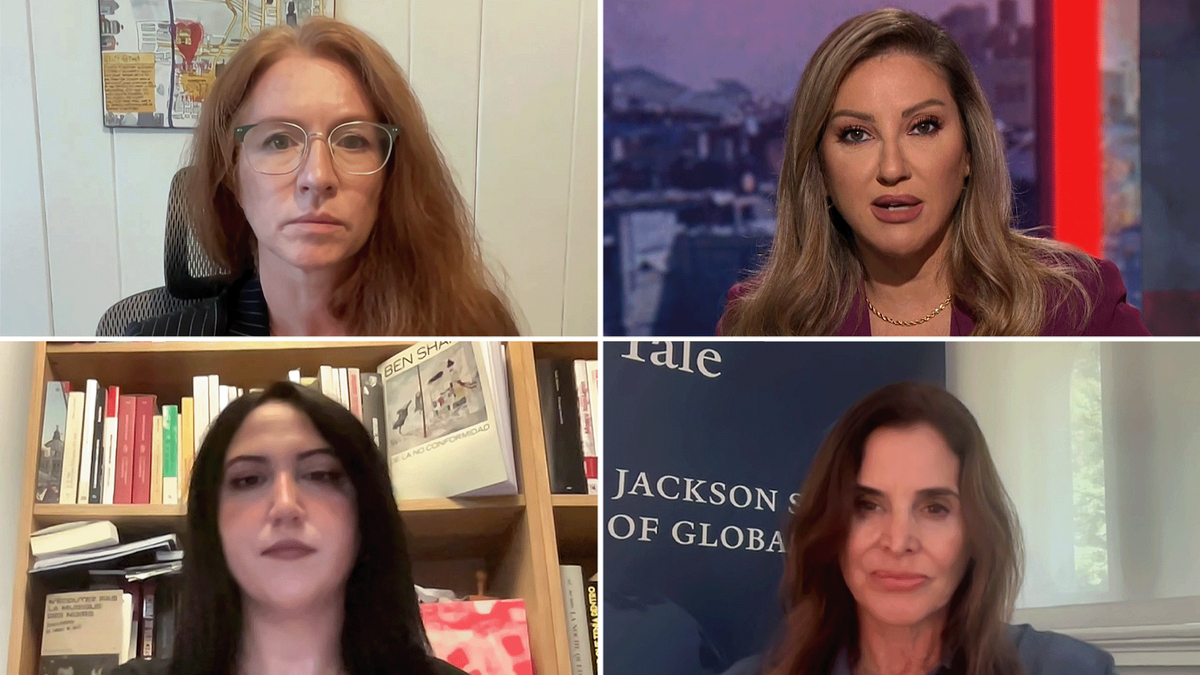
International experts confirm that the responsibility for the continuation of these crimes does not rest solely on governments, but also includes the international journalistic community that has chosen silence out of fear for its interests. Janine Di Giovanni, the executive director of the War Crimes Accountability Project, points out that 246 journalists have been martyred over 22 months, reflecting the international community's failure to protect journalists.
During her participation in a television program, Di Giovanni criticized the silence of international journalists, considering that this silence reflects their preference for personal interests over the lives of their colleagues. She also faced a violent backlash for criticizing this behavior that violates international laws.
Jodie Ginsburg, the executive director of the Committee to Protect Journalists, confirmed that every journalist in Gaza has become a target of the occupation, pointing to the contempt shown by the occupation's Prime Minister Benjamin Netanyahu for the lives of journalists, reflecting the occupation's sense of impunity.
Ginsburg expects this Israeli behavior to escalate unless accountability is enforced, making Gaza the most dangerous place for journalists in the world. She also points to the double standards with which the international community deals with these crimes.
Dima Smaro, the executive director of Skyline for Human Rights, confirmed that Gaza has turned into a deadly area for journalists, and that countries punishing those who criticize the occupation are complicit in these crimes.
Di Giovanni calls for punishing the occupation in the same way that Russia was treated, warning that the continued killing of journalists without accountability will lead to a deterioration of the situation for journalism in conflict areas.
Ginsburg emphasizes that defending the lives of journalists is not because they are different, but because they are civilians conveying essential information to people. She considers that what journalists provide is no less important than what doctors offer.
Despite the pressures faced by international courts, global public opinion remains capable of influencing, prompting some countries to change their positions regarding the behavior of the occupation.
Journalists preferred their jobs over telling the truth and defending their colleagues who represent the world's eyes.

Share your opinion
International experts: Journalists around the world are complicit in Israel's crimes against their colleagues in Gaza.