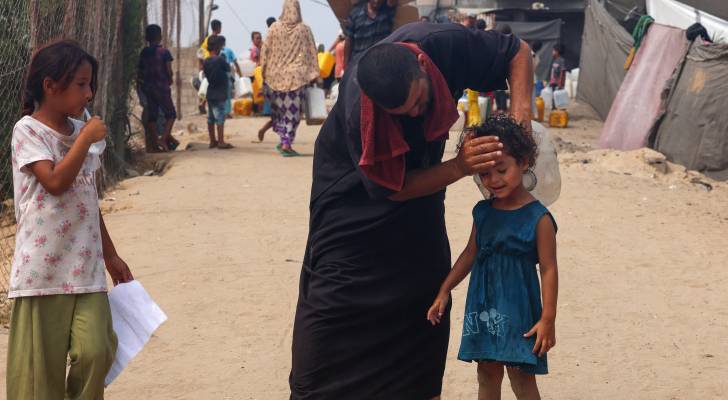







A government agency affiliated with the occupation reported in its report the existence of indicators of widespread malnutrition in the Gaza Strip, accusing Hamas of promoting what it called a "famine narrative." This comes at a time when Gaza is suffering from a suffocating humanitarian crisis due to the imposed blockade.
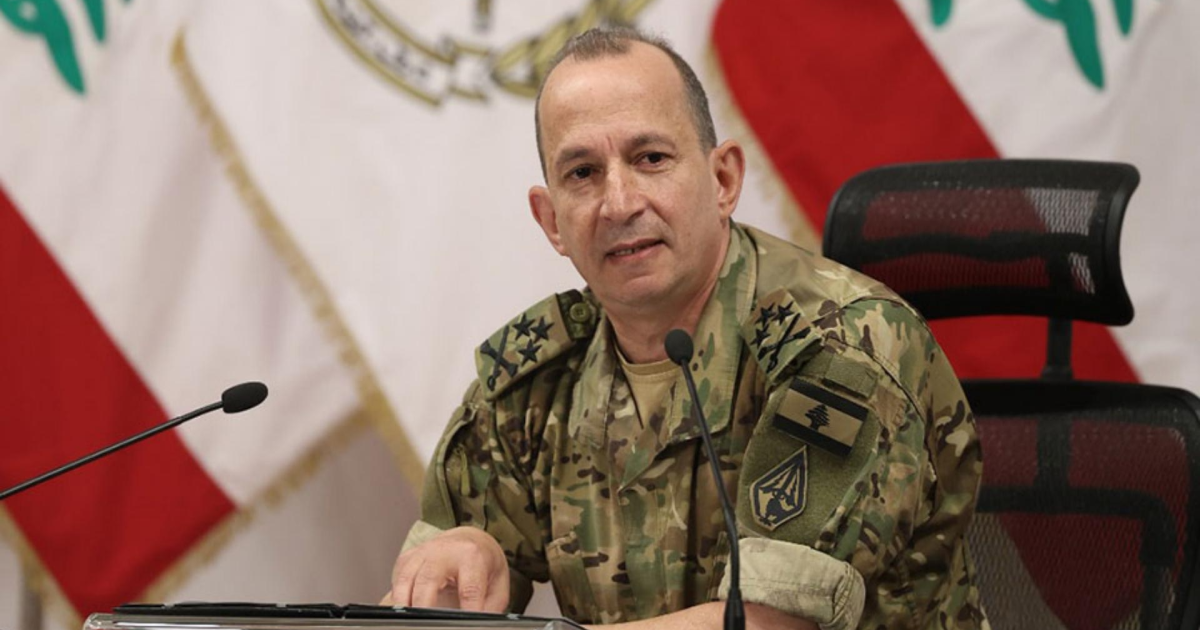
The Coordination of Government Activities in the Palestinian Territories (COGAT), affiliated with the Ministry of Defense, stated that it conducted a "thorough review" of data from the Ministry of Health in Gaza, which estimates that 227 people, including 103 children, have died of hunger during 22 months of war.
COGAT claimed that its review showed a "significant gap" between reported deaths and documented cases in the media, explaining that "the individual analysis of each alleged death shows that most of the deceased were suffering from chronic diseases."
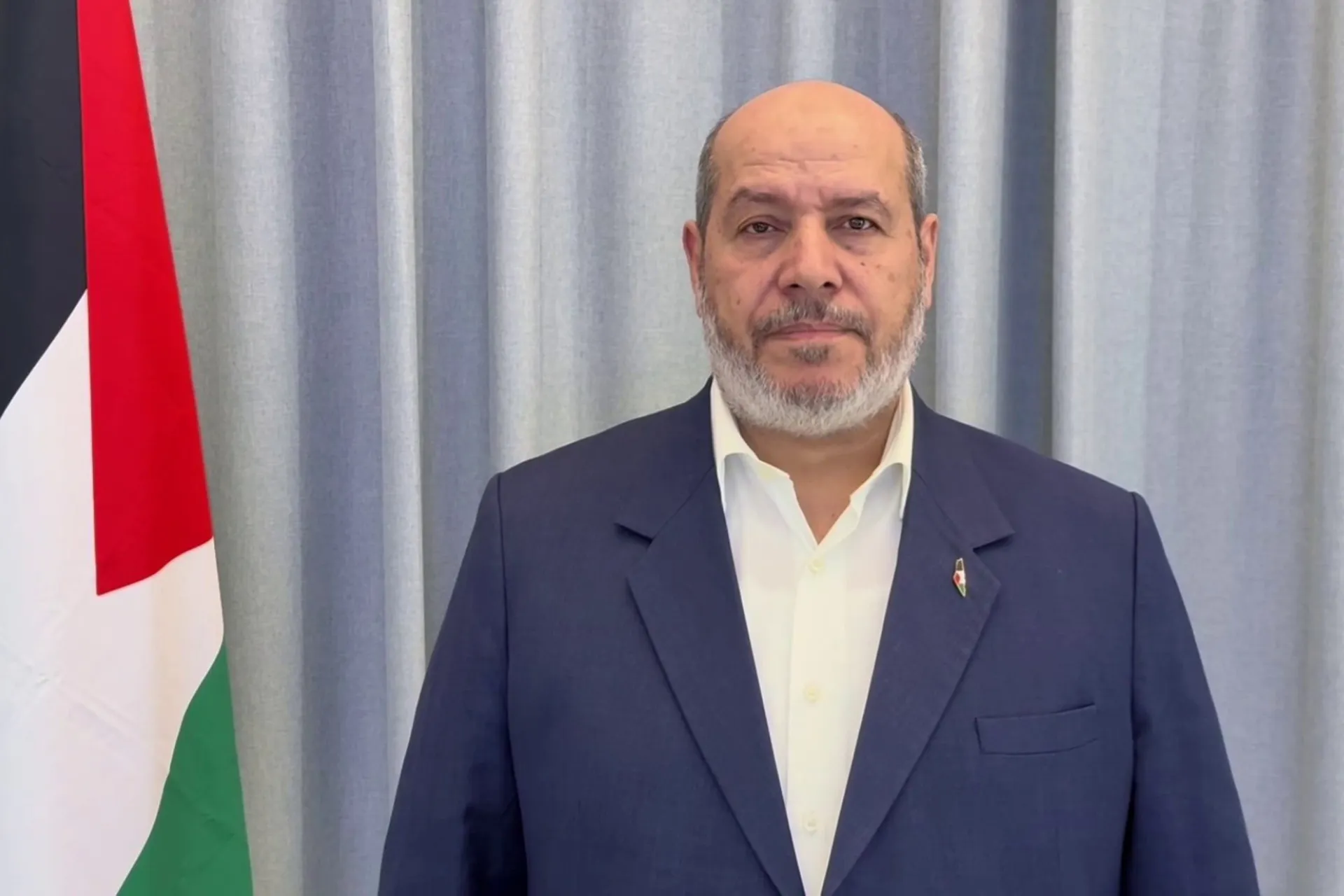
In contrast, the government media office of Hamas published a list "to respond to COGAT's lies," describing the statements as "a desperate attempt to cover up a documented international crime." These statements reflect the increasing tension between the occupation and Hamas.
The occupation's narrative contradicts data from international organizations, as the World Health Organization (WHO) stated that 148 people have died from malnutrition in Gaza since January 2025.
The World Food Programme also indicated in August that hunger and malnutrition in Gaza have reached their highest levels since the beginning of the war, explaining that "more than a third of the population goes without food for consecutive days."
The program added that 300,000 children are at risk of malnutrition, raising concerns about the future of children in the sector.
Jean-Guy Fattou, head of the Médecins Sans Frontières mission, who recently visited Gaza, said: "In Gaza, malnutrition is real, rapidly worsening, and affecting the entire population."
It is noteworthy that the occupation imposed a complete blockade on the Gaza Strip on March 2 of last year, preventing any aid or commercial goods from entering, which exacerbated the humanitarian crisis.
In late May, the occupation allowed limited amounts of food to enter through an organization funded by the occupation authorities and Washington, which UN agencies refuse to deal with.
In Gaza, malnutrition is real, rapidly worsening, and affecting the entire population.



Share your opinion
The occupation denies the existence of famine in Gaza, while the United Nations confirms the worsening of the crisis.