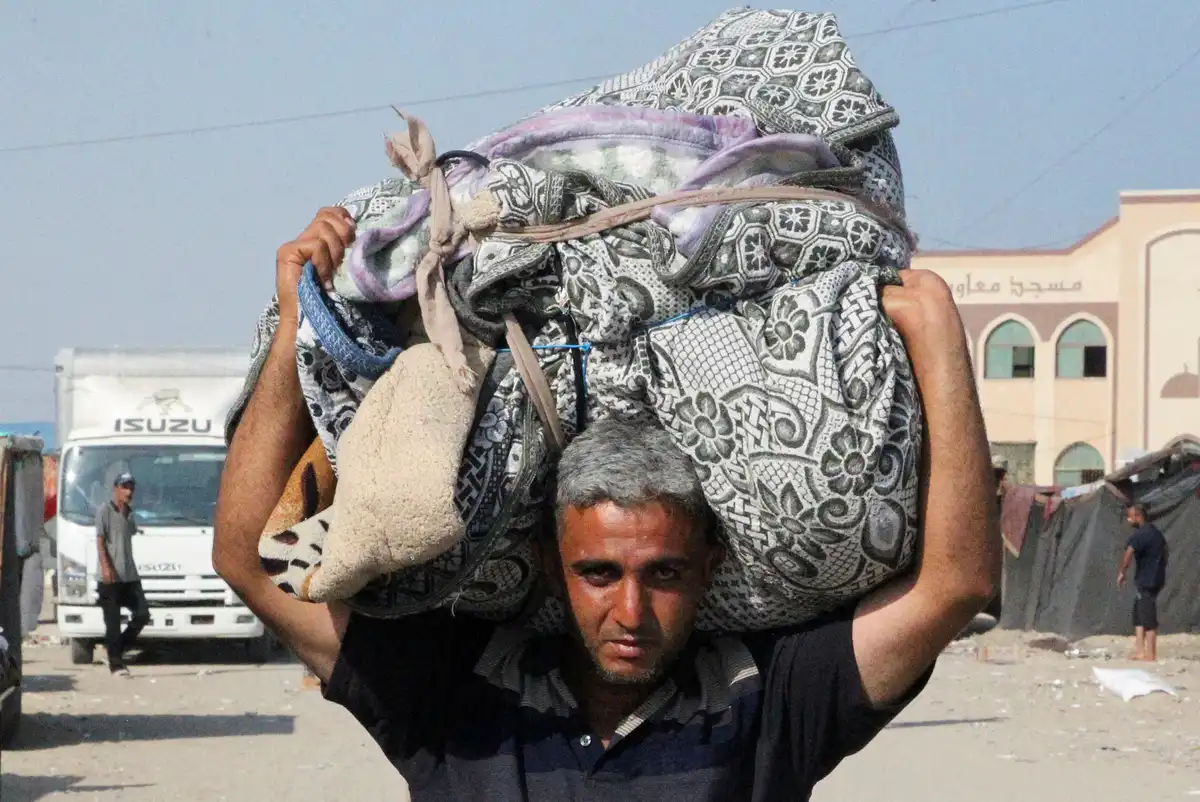







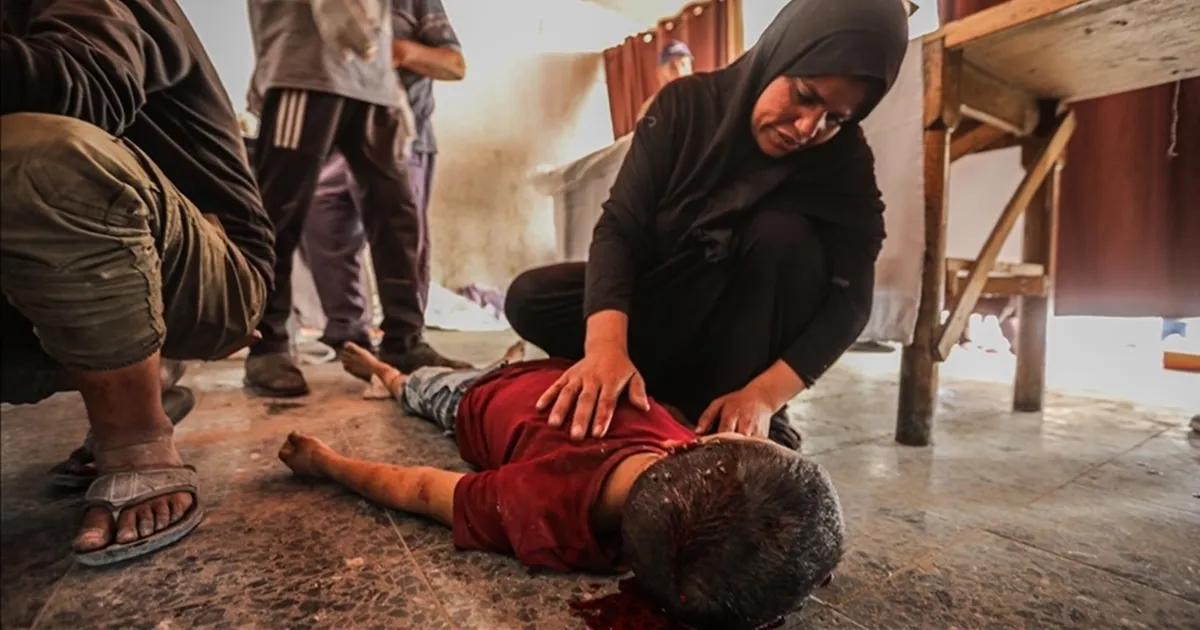
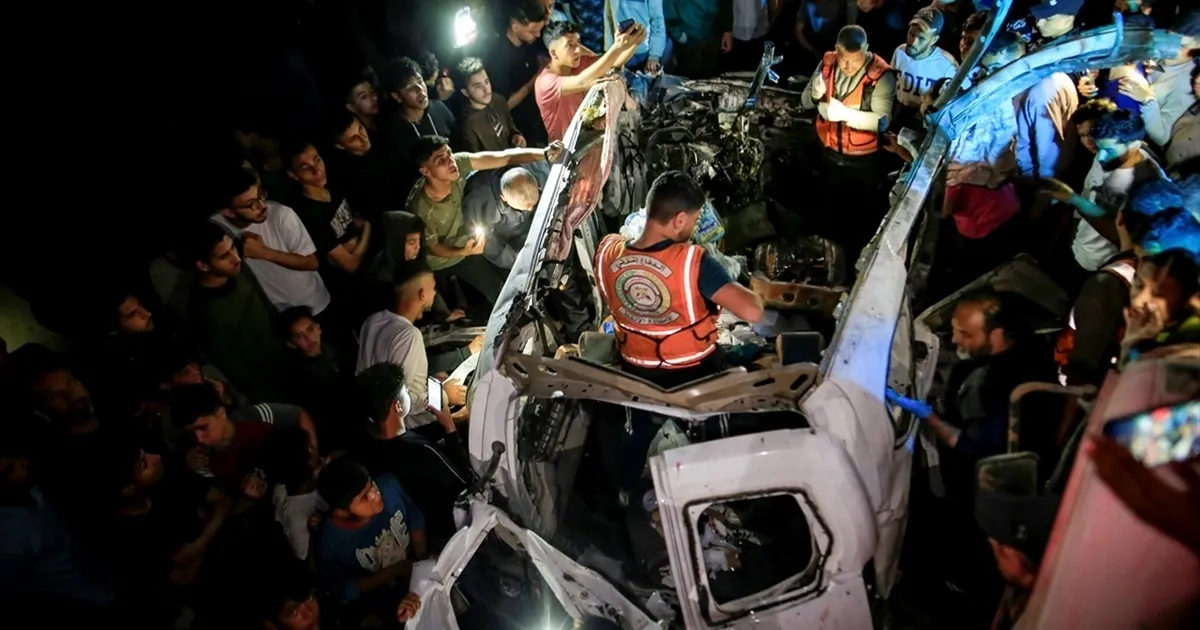
An Israeli plan to establish a so-called "humanitarian city" in Rafah, a camp to house hundreds of thousands of Gazans in preparation for their expulsion from the Gaza Strip, has collapsed and work on it has been halted, a report said Monday, following the deepening war of extermination and starvation, and the subsequent international criticism and pressure.
A senior Israeli security source said regarding this plan, "There is no decision to advance it, and there is no alternative plan. The political echelon was certain that it was heading towards a kidnapped soldiers deal that included withdrawals from the axes that cut off the southern Gaza Strip, and therefore it appears that it has backed down from this step. It has been put aside for the time being," according to Yedioth Ahronoth.
In the context of international criticism and pressure on Israel, the newspaper said, "In recent weeks, the Israeli military has been surprised to discover that Western governments, including Israel's friends, have preferred to trust the Gaza Health Ministry over the Israeli side."
The security source was quoted as saying, "We have suffered tremendous damage. The problem is that most of our decisions are made in the 90th minute and in a hasty manner, instead of initiating operations like this, planning them in advance, convincing whoever needs to be convinced in the world, and preventing a crisis like this against Israel."
The atmosphere in Israel now indicates a significant decline in the war on Gaza, after it was forced to allow aid into the Strip, and even brought it in itself by airdropping some of the aid.
According to the newspaper's political analyst, Nahum Barnea, Israeli Prime Minister Benjamin Netanyahu initially hesitated to launch a ground operation in the Gaza Strip after the October 7 attack, but "within weeks, he was pushed into a second extreme: not just the defeat of Hamas's military framework, but the annihilation of Hamas down to the last tunnel and last saboteur."
He added, "The Israeli military leadership knew that these were unachievable goals, not within the expected timeframe, not at a reasonable price, and not while dozens of hostages were being held." Despite this, the Israeli military waged a war of extermination on the Gaza Strip.
Barnea described the current situation in Israel as, "We have been severely battered, we have eaten rotten fish, and our friends in the world are trying to expel us from the town. The tragedy is so great that Netanyahu was forced to back down, stop, and suspend the military operation he ordered, surrender to the demands of the United Nations and international organizations, and drop food. Although the drop brings very little food, its images are useful."
He continued, "It's possible to debate the extent of Netanyahu's responsibility for the October 7 fiasco; he cannot be absolved of responsibility for what has happened since then. He cannot claim that they didn't wake him up, that he suffered from stomach poisoning, or that the attorney general is tying his hands. Gaza is all his."
Barnea believes that there are several lessons that the IDF leadership must learn from the international pressure on Israel, "the first of which is not to succumb to irresponsible ideas, even if they come from senior generals like Giora Eiland. Israel cannot expel and starve a population. Second, the IDF Chief of Staff must struggle for his professional reservations in all departments. The eyes of the soldiers are on him, as are the eyes of their families and the families of the kidnapped soldiers. They have no one to rely on but the IDF."
Powered by Froala Editor

Share your opinion
The Israeli plan to establish a humanitarian city in Rafah "collapsed and work on it has stopped."