






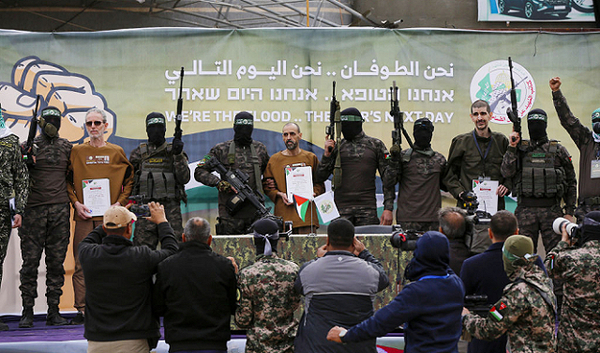
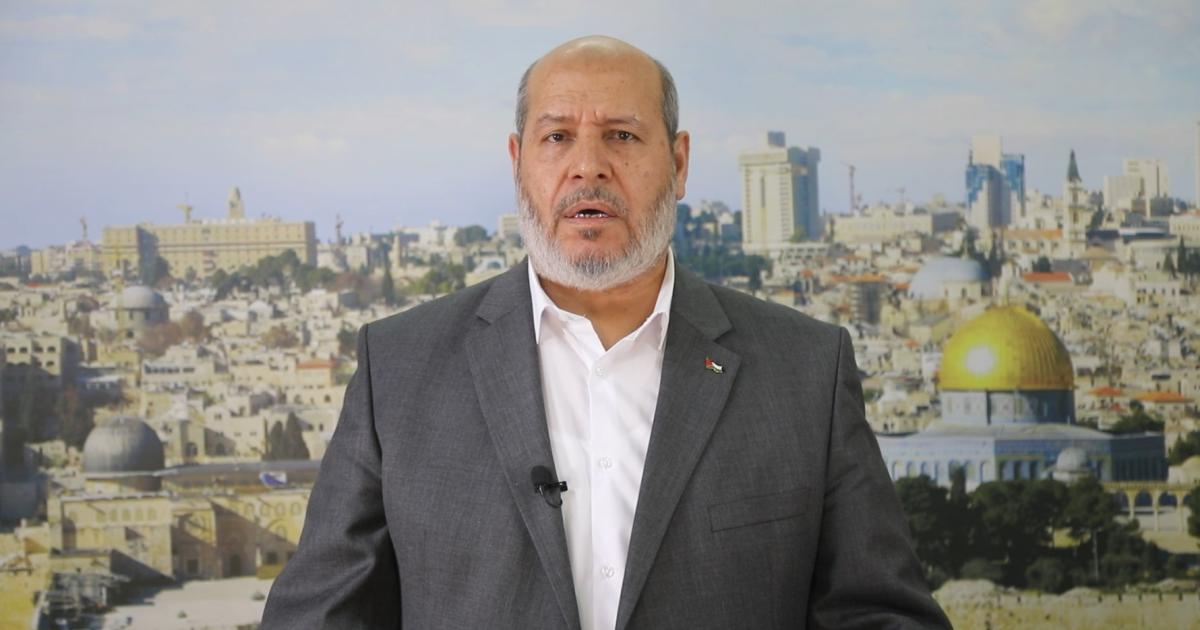
Hamas announced early Thursday that it had submitted its official response to the ceasefire proposal in the Gaza Strip to mediators, without revealing any details.
In a brief statement via Telegram, the movement said, "Hamas has just submitted its response and the response of the Palestinian factions to the ceasefire proposal to the mediating brothers."
For its part, the Israeli Prime Minister's Office announced this morning that it had received Hamas's response, confirming that it was studying it.
In this context,
Two sources, one Egyptian and one familiar with the mediation efforts in the Doha negotiations, and the other from Hamas, revealed to Al-Araby Al-Jadeed that the movement has already submitted its official response to the Qatari and Egyptian mediators regarding the proposed 60-day truce in the Gaza Strip.
The response concerns amendments requested by Hamas to the maps for the redeployment of the Israeli army during the truce period and the mechanism for the entry and distribution of humanitarian aid.
According to the source, the movement demanded that the Israeli occupation forces' deployments be adjusted for the proposed two months, so that they are far from civilian areas. It also stipulated that aid entry and distribution be restricted to UN agencies, excluding the so-called "Gaza Humanitarian Foundation" from this task.
In the same context, informed sources indicated that the movement's response also included a condition stipulating that the Rafah border crossing between Gaza and Egypt be opened in both directions immediately after the agreement's implementation begins.
The Egyptian source also revealed that the US side affirmed its commitment to ensuring the continuation of negotiations even after the expiration of the truce, if a permanent agreement is not reached during that period.
"Now the ball is in the Israeli court, as mediators await its response to the amendments proposed by Hamas regarding aid and deployment maps," the source said.
He added that Israel's approval of these terms would mean reaching a framework for a negotiated agreement, under which the truce could enter into immediate effect.
Meanwhile, the White House confirmed on Wednesday that the United States is seeking to reach a ceasefire agreement in Gaza that includes the release of detainees "as soon as possible."
He noted that US envoy Steve Witkoff will hold meetings with Middle Eastern officials in Europe, specifically in Italy, to further discuss the proposed agreement.
In a significant development, the Israeli Broadcasting Corporation quoted unnamed sources as saying that the Israeli negotiating team present in the Qatari capital, Doha, has received a new mandate from the political leadership to explore the possibility of ending the war.
The commission reported that Prime Minister Benjamin Netanyahu recently expressed openness to ending the war during the ceasefire period, a view confirmed by ministers who spoke with him recently.
Security reports indicated that one of the main reasons behind this trend is the erosion of the Israeli army's capabilities in Gaza. Chief of Staff Eyal Zamir also presented Netanyahu with a field assessment showing the difficulty of continuing military operations, a fact that cannot be ignored, according to the agency. The sources also confirmed that Netanyahu is aware of a growing desire within the Israeli public to end the war.
For its part, the Israeli newspaper "Israel Hayom" revealed some details of the Palestinian demands in the ongoing negotiations in Doha. Hamas has demanded that Israeli forces withdraw to a distance of no less than 800 meters from the Gaza Strip's security fence, in addition to demanding the release of a greater number of Palestinian prisoners for every Israeli soldier held captive.
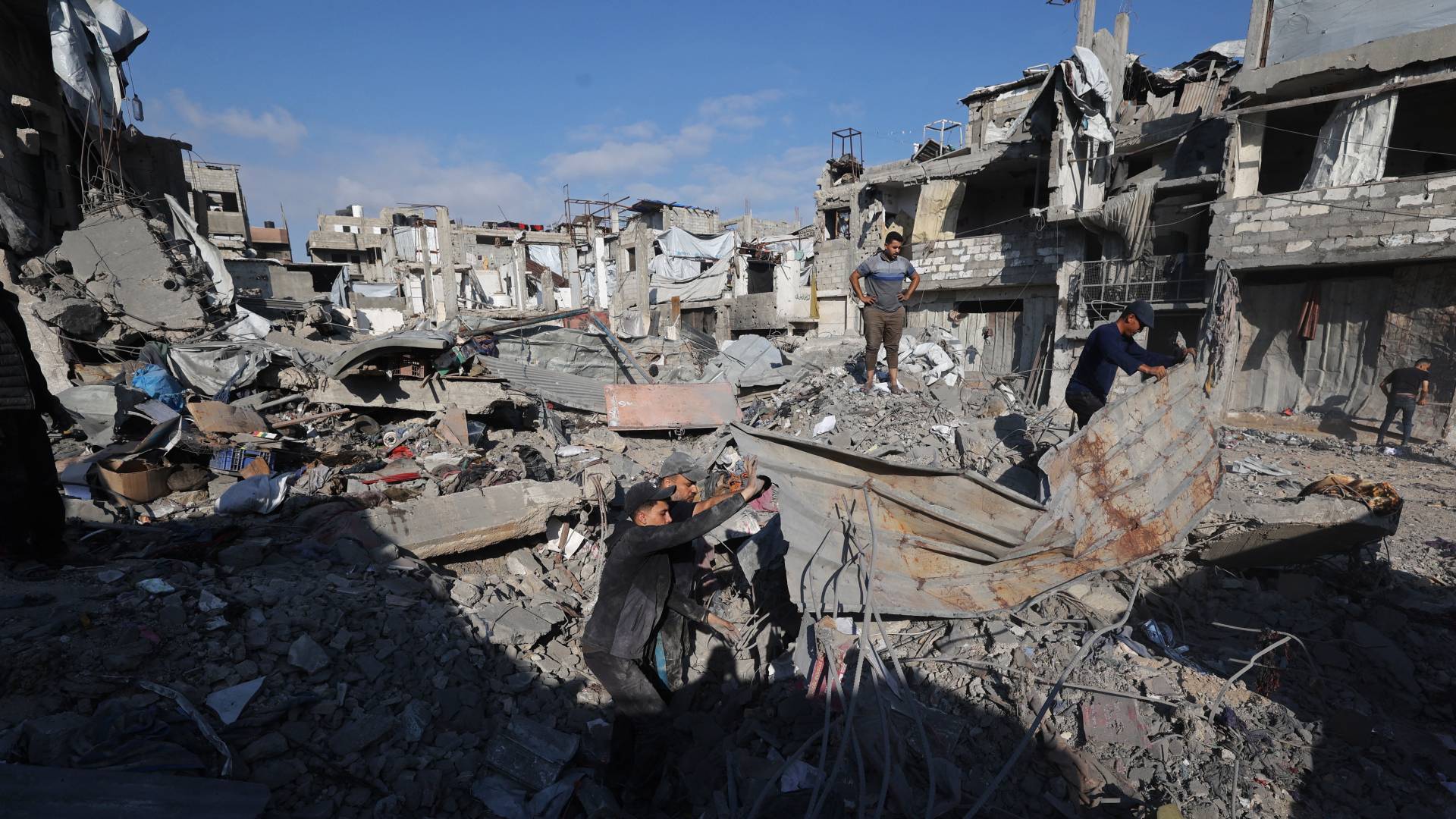
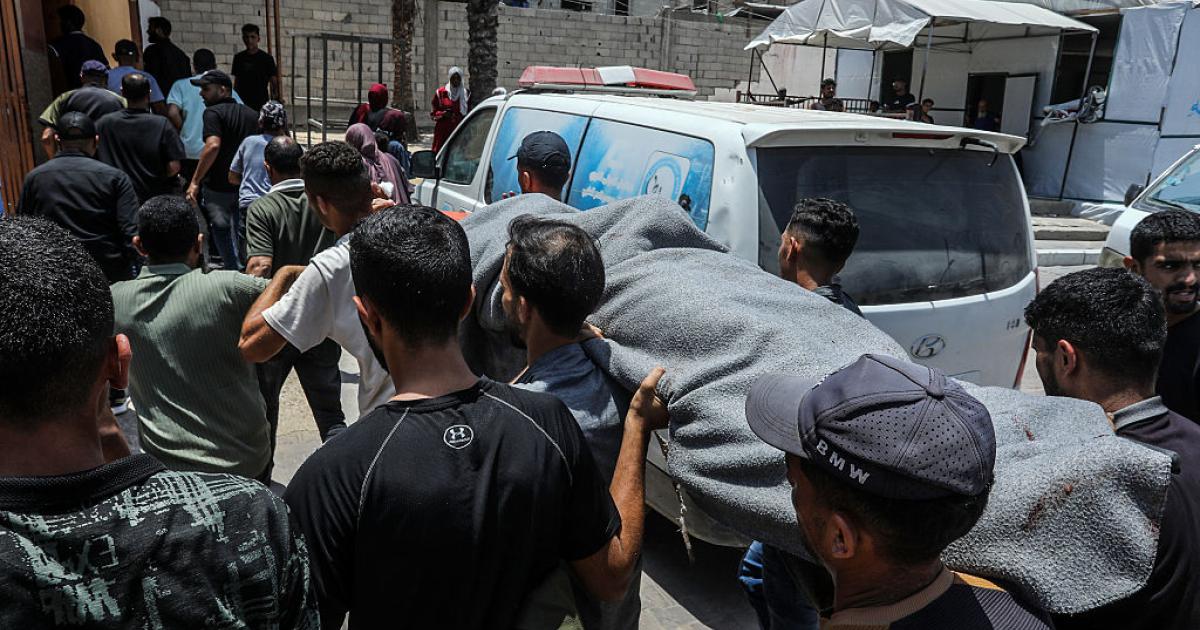
It's worth noting that the war waged by the Israeli occupation army on the Gaza Strip since October 2023 has so far resulted in the martyrdom of more than 59,000 Palestinians, the injury of more than 143,000, and widespread destruction and the near-total displacement of the Strip's population. This is one of the bloodiest and most destructive wars in modern times, according to Palestinian and international reports.
Over the past few months, Israel and Hamas reached two partial ceasefire and prisoner exchange agreements, the first in November 2023 and the second in January 2025. However, Netanyahu evaded implementing the second phase of the latter agreement and resumed military operations on March 18.

Share your opinion
Hamas submits its response to the truce proposal to the mediators, and Israel is studying it.