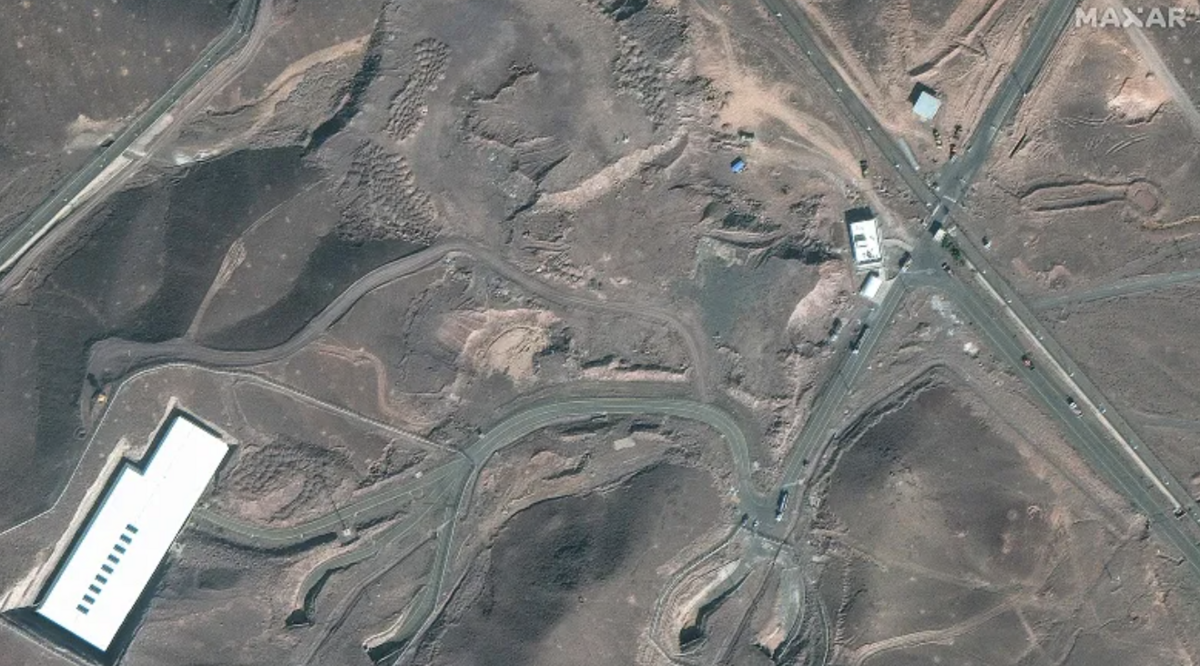







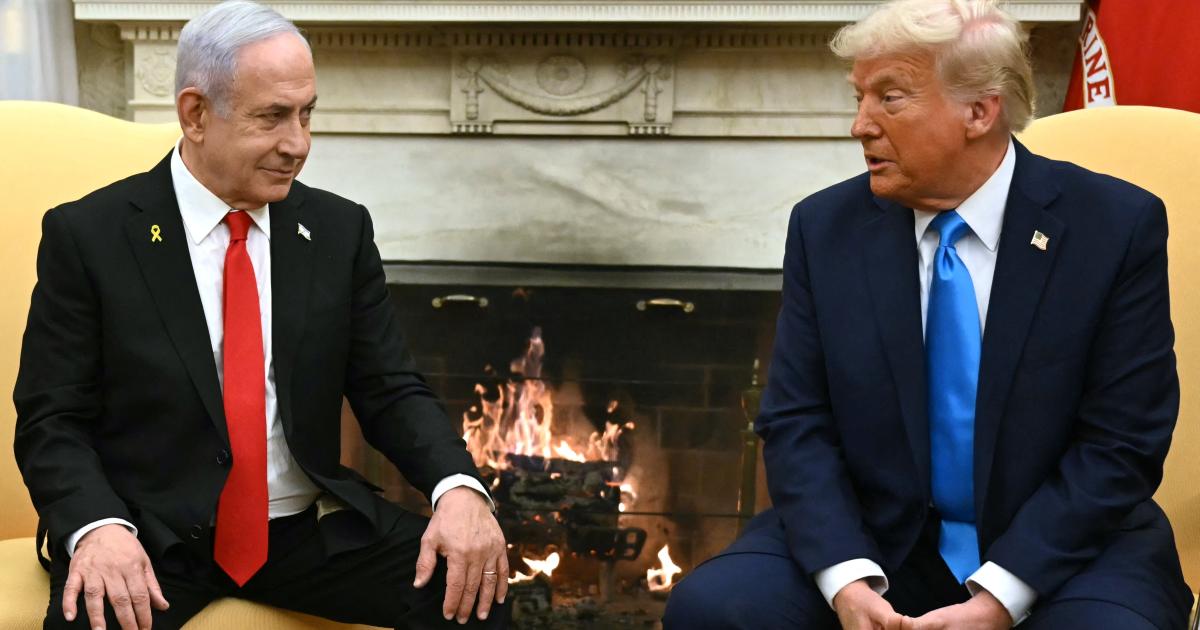
On June 22, the United States announced attacks on three Iranian nuclear facilities, threatening Iran that "either there will be peace or there will be a tragedy for Iran far greater than what it has witnessed in recent days." This fueled the tension in the Middle East, which had been escalating for several days and raised international concern about the escalation of the conflict, its spread, and the massive human losses it would cause in the Middle East. UN Secretary-General António Guterres issued a statement through his spokesman stressing that "any new military intervention could have dire consequences, affecting not only the stakeholders but also posing a threat to peace and security in the entire region and the world."
The situation has undergone significant changes, once again demonstrating the insightful judgment that "the world has entered a new era of turmoil and change." Peace will not be achieved through war. A few days ago, President Xi Jinping emphasized in a phone call with Russian President Vladimir Putin that promoting a ceasefire and preventing fighting is the top priority at present, ensuring the safety of civilians is the overriding concern, initiating dialogue and negotiation is the fundamental way out, and the international community's peacemaking efforts are indispensable. This four-point vision takes current and long-term interests into account, clearly affirms China's position, reflects China's commitment to shouldering its responsibility and striving to achieve human progress and the common good of the world. It sets the right direction and provides an effective prescription for easing tensions in the Middle East. Wang Yi, a member of the Political Bureau of the Communist Party of China Central Committee and Minister of Foreign Affairs, has held phone calls with numerous counterparts in recent days, expounding on China's position, concerns, and practical initiatives.
There is no room for delay in advancing a ceasefire and preventing fighting. Force has never been the right way to resolve conflicts. With the current situation sharply escalating due to US interventions, the top priority is to advance a ceasefire and prevent fighting. Force will only exacerbate the vicious cycle of hatred and violence. The Middle East will slide into an uncharted abyss of prolonged turmoil if the conflict's fallout intensifies.
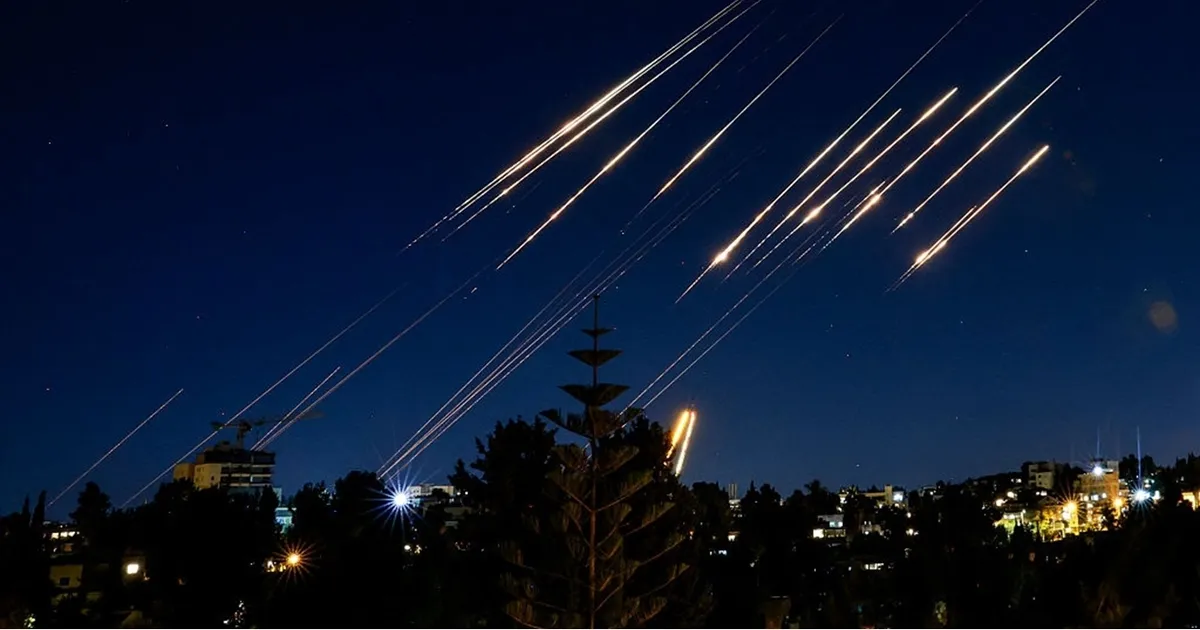
The red line for protecting civilians must not be crossed. The painful lessons of the 2003 Iraq War, which claimed the lives of hundreds of thousands of Iraqi civilians, are not far behind. In the other conflict that has yet to subside in the Gaza Strip, ongoing military operations have resulted in the deaths of more than 50,000 civilians, adding to the widespread humanitarian catastrophe in Gaza. In this round of conflict between Israel and Iran, brutal missiles have caused massive damage to civilian homes, hospitals, schools, and infrastructure, causing a large number of civilian casualties. The sight of devastation and devastation shocks the conscience of humanity. Under no circumstances should the red line for protecting civilians in military conflict be crossed, and the indiscriminate use of force is unacceptable. Parties to the conflict must scrupulously adhere to international law and absolutely prevent harm to innocent civilians.
Dialogue and peace negotiations are the primary path to finding a solution. As a depositary state of the Treaty on the Non-Proliferation of Nuclear Weapons (NPT), the United States launched military strikes for the first time against the nuclear facilities of a non-nuclear-weapon state party to the Treaty, which are subject to International Atomic Energy Agency (IAEA) safeguards. This will have a profound and devastating impact on international and regional peace and security, as well as on the mechanisms for the peaceful use of nuclear energy. The more complex the disputes and the more urgent the challenges, the more necessary it is to adhere to political dialogue and peace negotiations as the correct path. All countries hope to prevent the world from returning to the law of the jungle. Major countries should act in a manner befitting their status, and relevant countries, especially those with significant influence on Middle Eastern affairs, should play a leading role in adhering to international law and the basic norms of international relations, abandoning the law of the jungle and double standards, and stopping war and chaos with practical steps, rather than applying "maximum pressure" and following the principle of "the one with the most muscle has the last word." Security will be fundamentally solid and fundamentally sustainable only if it is built on the foundation of sound morality and concepts.
The international community must inject positive energy into supporting peace negotiations. The ongoing tensions in the Middle East pose a serious threat to global security and development, with the countries of the region at the forefront of those affected. Twenty-one Arab and Islamic countries recently issued a joint statement on this matter, and the League of Arab States and the Organization of Islamic Cooperation (OIC) held successive emergency meetings at the foreign ministers' level, calling for calming the situation and maintaining lasting peace in the region. Peace initiatives and collective actions by the Arab and Islamic world must receive full attention and support. The international community must enhance coordination and work together to leverage the role of the UN Security Council and other international mechanisms, make effective use of all the tools provided by the UN Charter, and take effective and practical measures to build mutual trust, resolve conflicts, and strengthen security through dialogue. This, in turn, must play a necessary role in maintaining peace and security in the region and the world.
The history and reality of the Middle East confirm that war brings only endless disasters, and that force will never achieve peace. Those who walk the straight path will find their companions. We believe that most countries in the world love peace and justice, that the voice of justice will be heard, that legitimate rights and interests will be protected, and that the light of peace will surely shine once again on the land of the Middle East, which has suffered enough hardship!

Share your opinion
Force will not bring peace