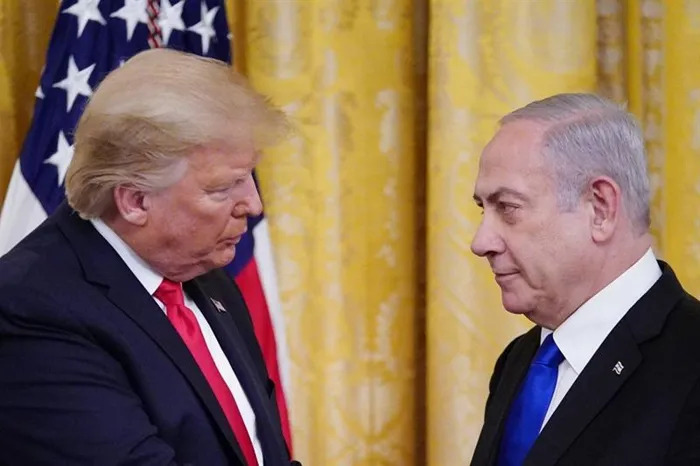







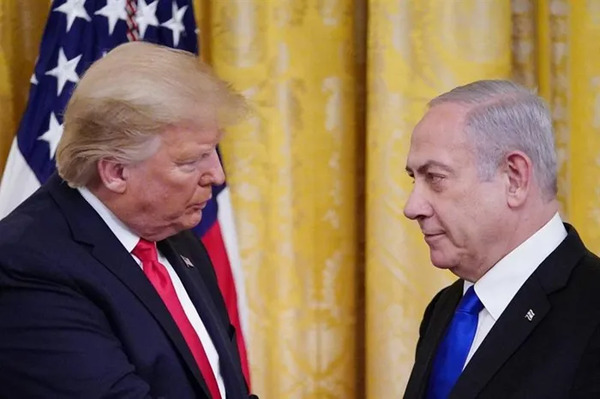
According to experts, Iranian officials had been preparing for more than a week for a large-scale Israeli attack "if the nuclear talks with the United States fail," as threatened by the United States. However, they apparently made a grave miscalculation—they did not anticipate an Israeli attack before the next round of talks, scheduled for Sunday in Oman. This is what sources close to the Iranian leadership told The New York Times on Friday.
They also dismissed reports of an imminent attack, believing that Israeli propaganda aimed to pressure Iran to make concessions on its nuclear program in these talks. The sources claimed that this laxity likely led them to neglect their precautions.
Officials reported that on the night of the Israeli attack, senior military commanders did not hide in safe places, but rather stayed at home—a fateful decision that cost them dearly. The commander of the Revolutionary Guards' air force, Amir Ali Hajizadeh, and his top staff also ignored an order not to gather in one place. They held an emergency meeting at a military base in Tehran and were killed in a direct Israeli strike, including Hossein Salami and Ali Shamkhani—the highest-ranking Iranian military officers and reportedly the leaders of Iran's nuclear program.
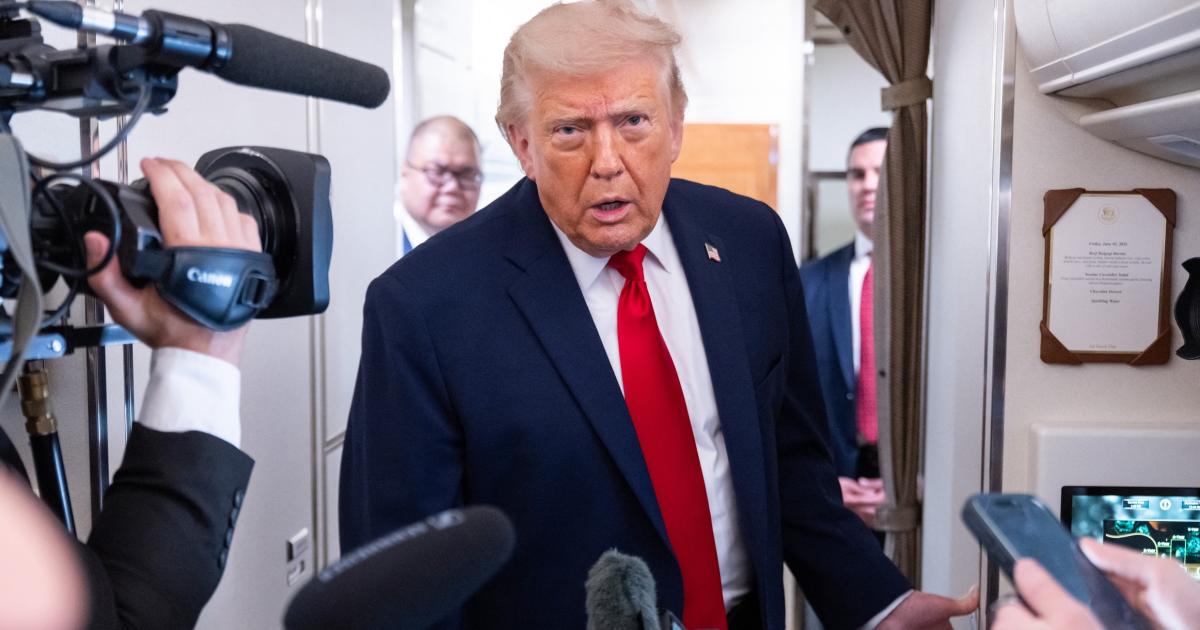
According to experts, the deception operation began on April 12, when Trump gave Iran a 60-day deadline, which ended on June 11. The Israeli strike, which caused significant damage to Iran and seriously—though not paralyzing—damaged the Iranian nuclear program, killing Shamkhani and other military and scientific leaders, came on June 13 (just after the deadline expired). During that period, Trump issued a variety of threats, intimidations, inducements, and warnings to Iran, repeatedly escalating his demand to dismantle its nuclear infrastructure without any limit (the so-called Libyan model, meaning destroying everything related to any nuclear effort, whether peaceful or not) or face dire consequences. In an interview conducted in early May with the famous radio host (and Trump friend) Hugh Hewitt, the US president presented Iran's leaders with two decisive options for dealing with their nuclear facilities: "blow them up smartly"—meaning under international supervision—or "blow them up brutally."
According to experts, the Iranians did not believe Trump was serious, giving the impression that Iranian Supreme Leader Ali Khamenei and his advisors were confused by their inability to read Trump.
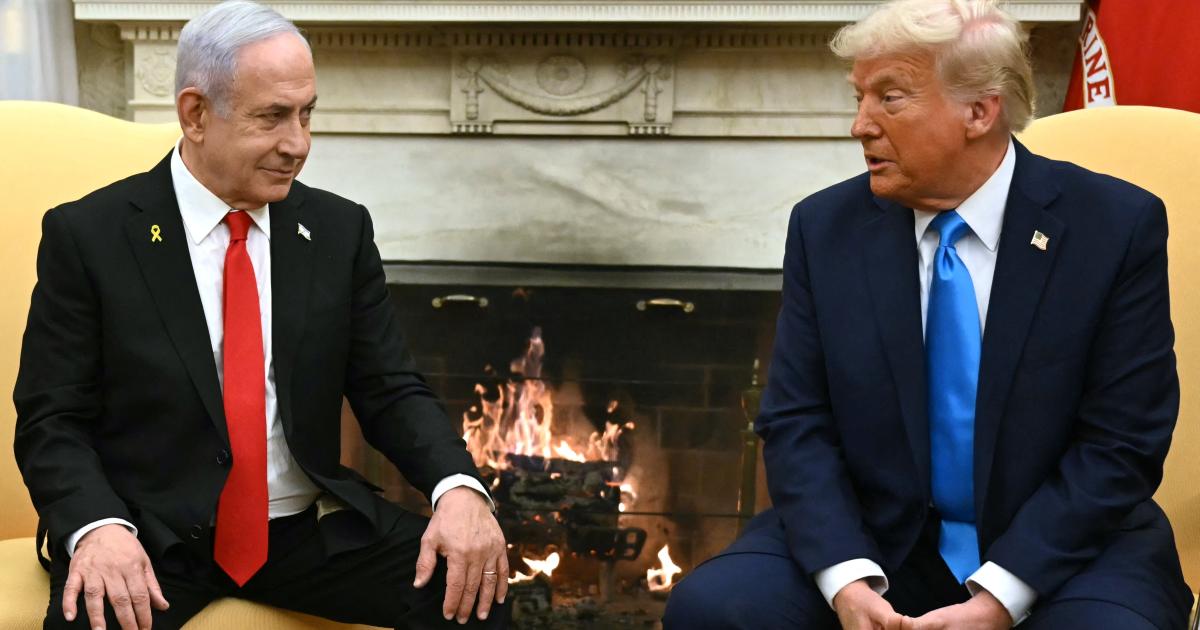
It should be noted that Trump announced last May that he would hold Iran responsible for all Houthi attacks. He then did not do so, instead striking a separate deal with the Houthis—even as they continued to attack Israel. In doing so, he undermined the credibility of his threats, left the impression that Israel was beyond the reach of American defense, and demonstrated that Netanyahu was alone in his desire to strike Iran.
Trump reinforced this impression elsewhere. He began negotiating directly with Hamas over Gaza, bypassing the Israelis. When he visited the Gulf, he did not visit Israel. Meanwhile, he lifted sanctions on Ahmed al-Sharaa and the new Syrian government. He apparently did so without speaking to Netanyahu, listening instead to Saudi Crown Prince Mohammed bin Salman and Turkish President Recep Tayyip Erdoğan. This news was particularly welcome in Tehran, as the Saudis and Turks had been advising Trump to reach a negotiated agreement with Tehran and prevent an Israeli attack.
Pro-Trump media outlets in the United States also contributed significantly to the perception of a rift between Trump and Netanyahu. In Tehran, analysts were likely listening to the voices of those who oppose intervention, both within and outside his administration, according to experts and numerous political forums in the US capital. For example, this camp, led by prominent right-wing media personality Tucker Carlson, argued that Israel was dragging the United States into an unnecessary war. Carlson warned that such a conflict would end in the deaths of Americans without any strategic gains. Carlson's alleged closeness to Trump's inner circle appeared to serve as effective evidence of the president's intentions.
In mid-April, The New York Times claimed that Trump had obstructed planned Israeli airstrikes on Iranian nuclear facilities, scheduled for May 2025. After internal debate within the Trump administration, Trump opted for diplomatic negotiations with Tehran, a decision driven by a desire to avoid military escalation in the Middle East and instead focus on East Asia. Trump informed Israeli Prime Minister Benjamin Netanyahu of this intention during a meeting on April 7, 2025.
The mainstream Israeli media, which is indifferent to Netanyahu, and opposition parties were quick to exploit the alleged rift between him and Trump, portraying Netanyahu's failure to secure US support as evidence of his strategic weakness.
For his part, Supreme Leader Khamenei sought to bolster his position, employing tried-and-true diplomatic tactics. On June 11, just before the strike, Foreign Minister Abbas Araqchi stated on social media that his talks with Trump's special envoy, Steve Witkoff, would continue. "President Trump took office saying that Iran should not have nuclear weapons," Araqchi wrote. "This is actually in line with our doctrine and could form the main basis for reaching an agreement. With the resumption of talks on Sunday, it is clear that an agreement that ensures the continued peaceful nature of Iran's nuclear program is within reach."
According to Araghchi, as long as the talks in Oman continue, Netanyahu will not dare disrupt the process, fearing that this would undermine Trump's broader strategy to avoid entanglement in the Middle East.
Experts believe that the Iranian analysis of the developments was correct in almost all aspects. They believed that the rift between Trump and Netanyahu was real, not fabricated or exaggerated. They believed that Trump wanted a deal and wanted to restrain Israel. They believed that Israel could not act alone—it relied on the American missile defense infrastructure. They believed that only the United States could prevent Iran from expanding the war—and they believed that Trump did not want escalation.
At first glance, the Iranian reading of the situation seems sound, but they ignored one obvious fact: that everything related to Iran and the US position on it, he and his team (especially Steve Witkoff) coordinate completely with Netanyahu, giving him the first and final say, as is the case in the Gaza negotiations.
Share your opinion
How Trump and Netanyahu Trapped Iran in a Systematic Deception Trap