






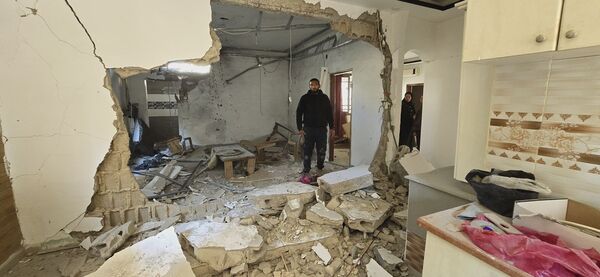
Jenin Mayor Muhammad Jarrar said that direct damages from the ongoing Israeli occupation aggression on the city of Jenin and its camp, which has been ongoing for the 129th consecutive day, have reached $300 million to date in the governorate, including the town of Qabatiya. These damages are ongoing and are increasing daily due to the ongoing aggression.
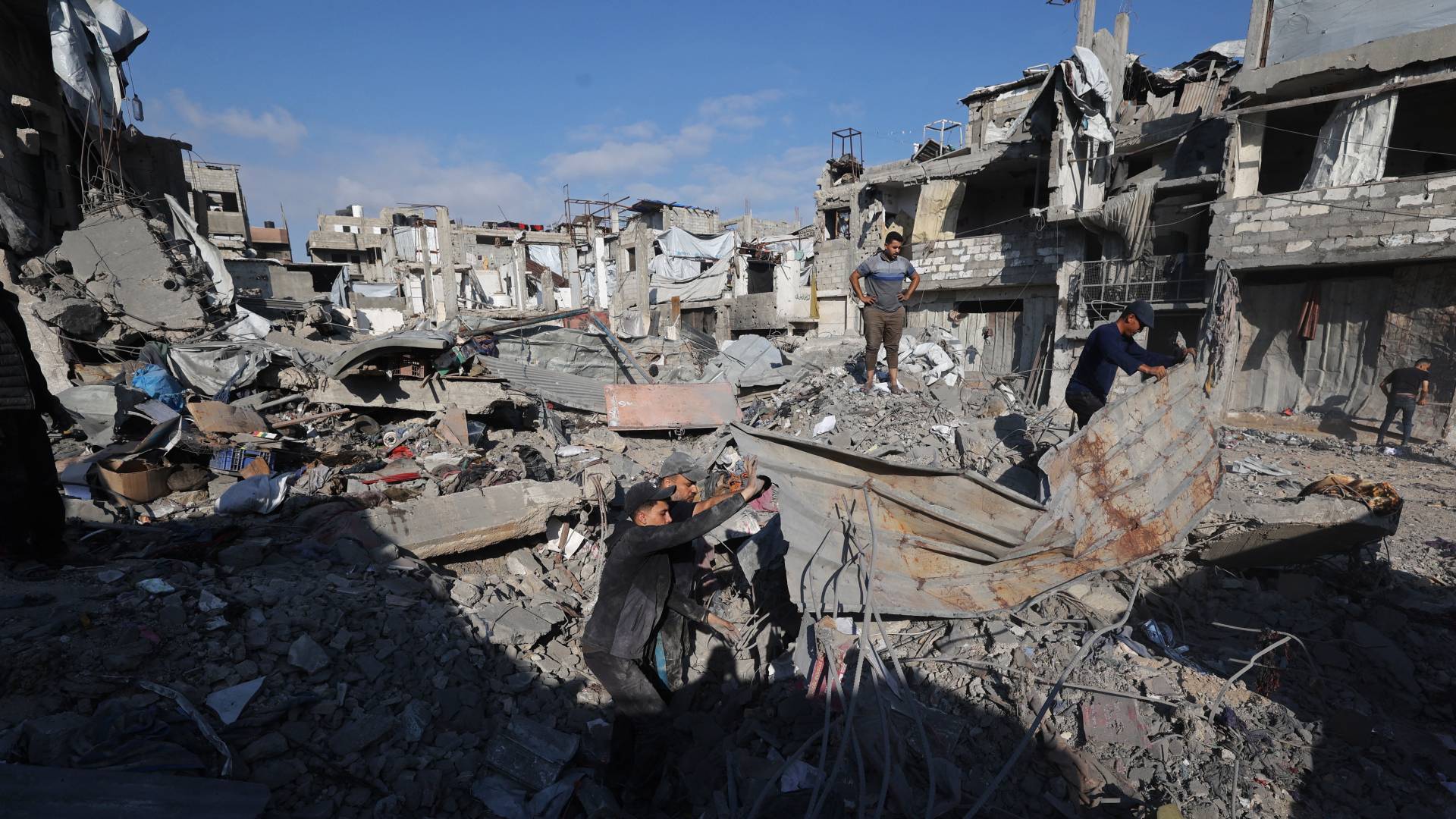
He added to local sources that the municipality was able to prepare a comprehensive report that included only the direct damages from the aggression, which amounted to $300 million. Meanwhile, the occupation prevents municipal crews from entering the camp to assess the damage to buildings and sewage networks. However, estimates indicate that the camp requires complete reconstruction, due to the complete destruction of more than 600 housing units, while the remaining buildings were partially damaged, rendering them uninhabitable.
Jarrar said that the occupation had destroyed road, water, electricity, and sewage networks, burned a large number of homes, and partially demolished others, which means they must be rebuilt so their owners can return to them. He noted that, according to the municipality's study, which was based on professional principles, this would require approximately $160 million to restore the camp to its former state, a livable and habitable place.
He added: "The municipality's crews are working within an emergency plan based on providing economic relief to the city, because remaining in a state of economic paralysis would mean Jenin's complete collapse, which is what we seek to avoid. The cessation of economic activity in the city over the past four months has led to the permanent bankruptcy of 1,200 merchants, and the loss of 4,000 workers of their livelihoods. Maintaining the status quo means that these numbers are likely to rise, leading to the collapse of Jenin economically and, consequently, services."
Jarar pointed out that the ongoing occupation aggression has caused the city of Jenin to lose between 50,000 and 70,000 shoppers daily, coming from the villages and rural areas of the governorate.
He continued: "The emergency plan is based on first repairing the roads to enable access to the city for visitors, particularly those from the 1948 territories, should the Jalameh checkpoint remain open, and for shoppers from the governorate's villages and towns."
Jarar emphasized that providing relief to residents in terms of water, electricity, and basic services has been one of the municipality's main goals since the first day of the aggression.
He explained that the city's entrances have been repaved and repaired to enable citizens to enter smoothly, while work is underway to repave major streets in the city, including Nazareth Street, Al-Bayader Street, and the street leading to Ibn Sina Hospital in the city center. Work is also underway to repair the water network in the eastern neighborhood and half of the sewage network in the same area, at a cost of up to 17 million shekels.
Regarding Jenin Governmental Hospital, which the occupation has sealed off with earth mounds, Jarrar said that since the first day of the aggression, efforts have been made to supply it with water and electricity, ensuring that it receives the minimum necessary to operate and provide services to patients, in cooperation with the hospital administration. He pointed out that ambulances are having difficulty reaching the hospital due to the closure of its entrance from the Jenin camp side, and the destruction of the main street leading to its gates, and that patients’ access to it has become limited.
Jarar said, "We hope to be able to work freely, unhindered by the occupation, around the hospital to rebuild what was destroyed, including paving the road and repairing the water and sewage networks and power lines. We were able to connect them in an emergency manner to ensure uninterrupted services to patients."
On the ground, an Israeli special forces force surrounded a house in the village of Siris, south of Jenin, and arrested two young brothers from inside. They also arrested a citizen from the village of Al-Jadidah, south of the city, after storming the house with several military vehicles.
Yesterday, Wednesday, the occupation forces stormed the eastern neighborhood of Jenin and raided a number of homes, while bulldozers demolished a barn belonging to the Nassar family.
Villages in Jenin Governorate are witnessing almost daily incursions as the aggression against the city and camp continues. Daily military movements are recorded in most of the governorate's villages, alongside a constant presence of occupation patrols and vehicles. The occupation continues to send military reinforcements to Jenin refugee camp and its surroundings, while occupation soldiers continue to fire live ammunition intensively inside it. Infantry units are also deployed in a number of surrounding neighborhoods in the city.
Over the four months since the start of the aggression on Jenin and its camp, approximately 22,000 residents have been displaced from the camp and its surrounding areas, posing significant challenges to the Jenin Municipality on both the humanitarian and economic fronts.
The percentage of displaced persons reached 25% of the city's total population, creating challenges in economic, social, environmental, service, and health aspects. According to the Palestinian Prisoners' Club, the occupation has arrested nearly 1,000 citizens from Jenin and Tulkarm over the past four months, including those who were later released.
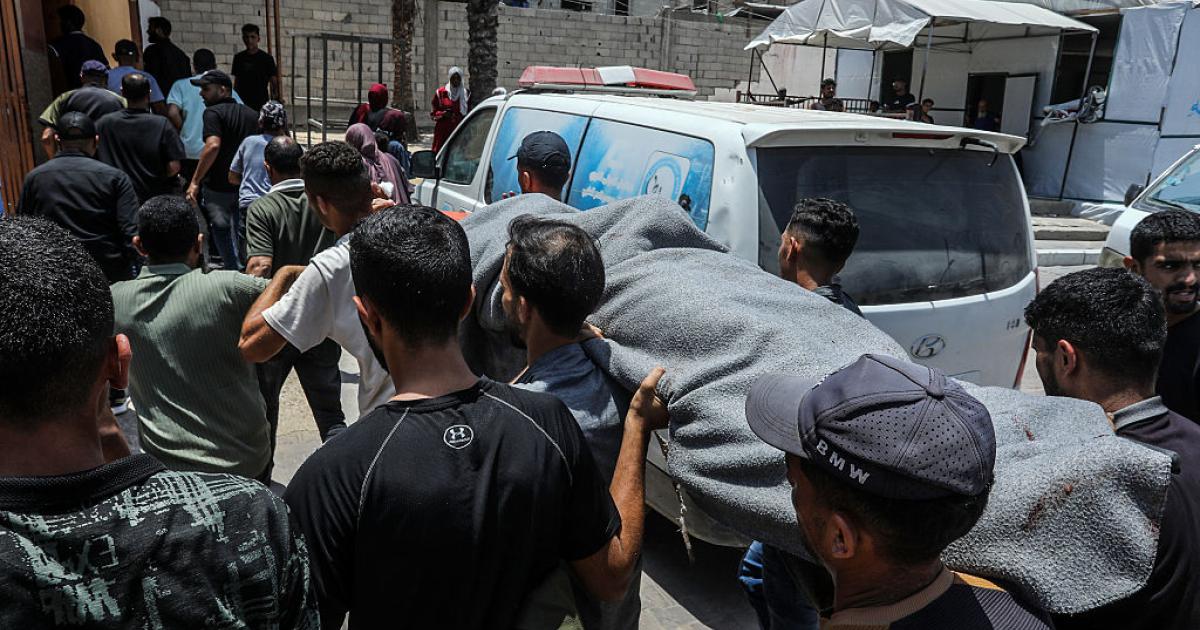
The number of martyrs since the beginning of the aggression has reached 40, in addition to more than 200 injuries.


Share your opinion
Jenin Mayor: Direct damages from the ongoing aggression amount to $300 million.