







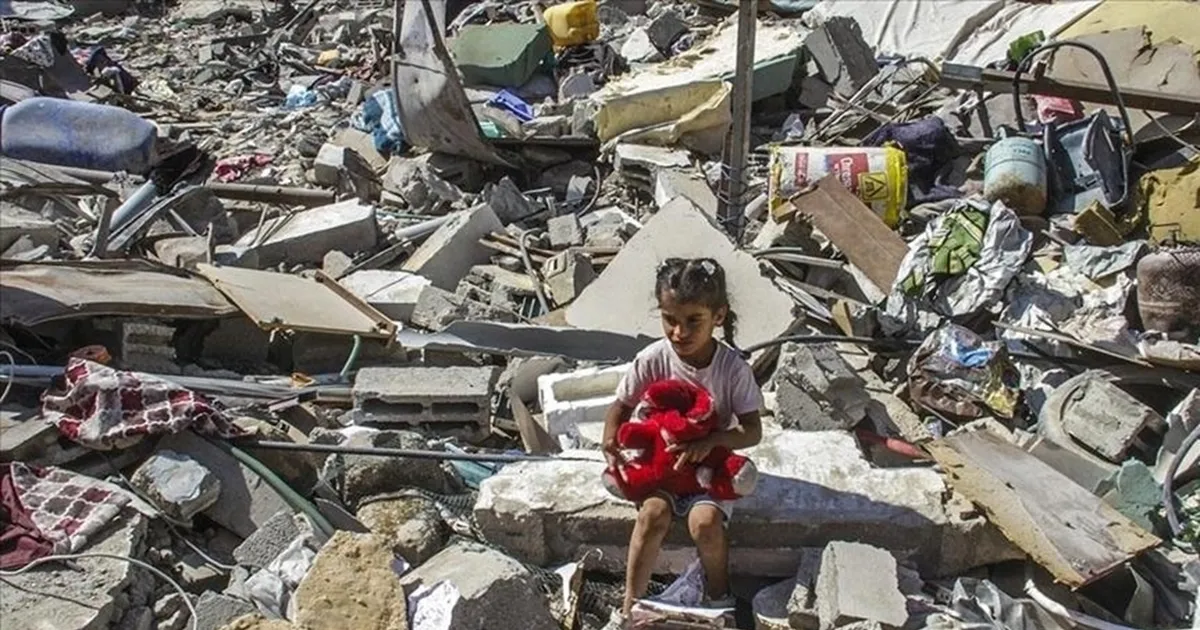
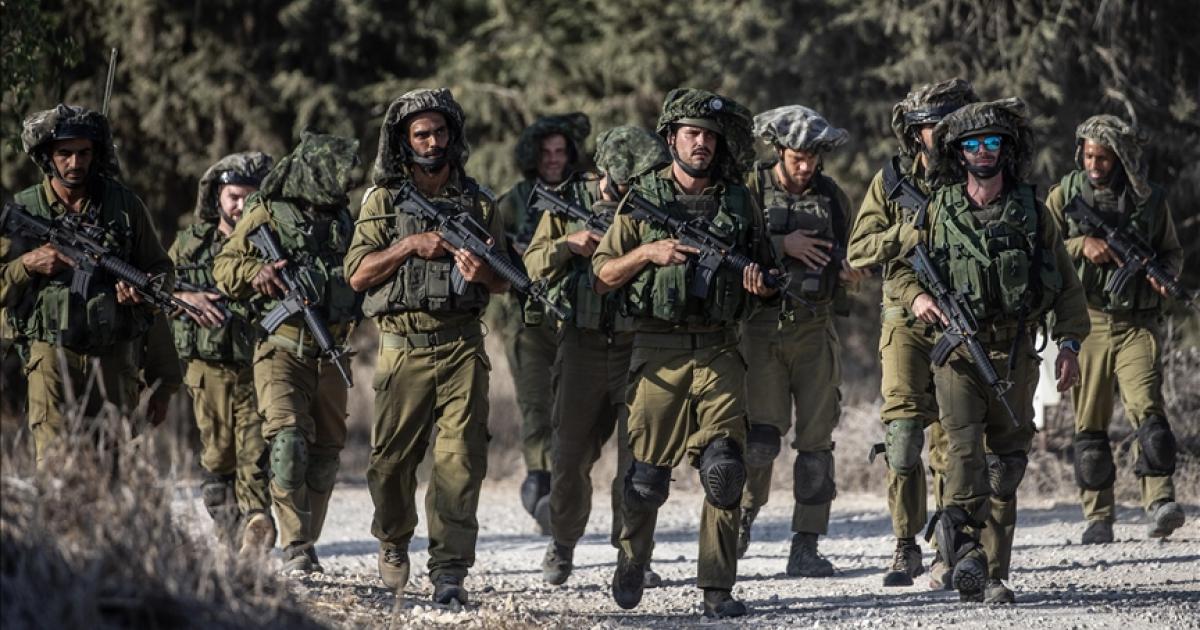
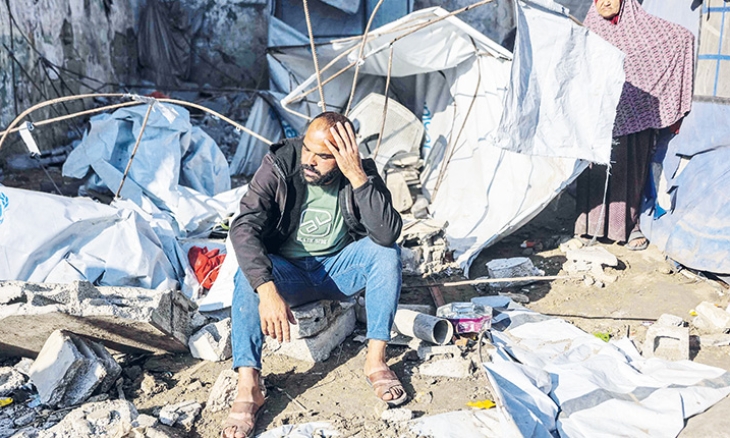
The Israeli army continues its artillery shelling of eastern areas and is destroying residential buildings in the northern Gaza Strip.
In the latest developments on the ground: A Palestinian was killed and others were injured in an Israeli airstrike targeting the Salmi family's home in the Zeitoun neighborhood, southeast of Gaza City, according to local sources.
A citizen was also killed and others were injured in the occupation's bombing of the town of Beit Lahia, north of the Gaza Strip.
Meanwhile, a citizen died of wounds he sustained yesterday, Monday, as a result of the occupation's bombing of a house in the Al-Amal neighborhood west of Khan Yunis in the southern Gaza Strip. Citizen Suleiman Wajih Qishta also died of wounds he sustained several days ago in Khan Yunis.
Palestinian sources reported that Israeli Quadcopter drones fired on areas east of Gaza City this morning, Tuesday.
This comes at a time when the Gaza Strip is witnessing a military escalation, with airstrikes being accompanied by intense artillery shelling of the city's eastern districts, further heightening tensions and the situation on the ground in those areas.
Israeli aircraft also launched an airstrike on the eastern part of Gaza City at dawn on Tuesday, while Israeli military vehicles continued to fire heavily towards the eastern parts of the city.
In the northern Gaza Strip, the Israeli army continues to destroy residential buildings while intensifying artillery shelling of the eastern areas.
In this context, the World Health Organization reported that the health sector in Gaza is facing a severe collapse, with most medical equipment stocks depleted and a critical shortage of 42% of essential medicines, including painkillers.
The organization noted that medical stockouts have reached alarming levels, with 64% of medical equipment, 43% of essential medicines, and 42% of vaccines running out of stock.
Amid this deteriorating situation, 51 trucks carrying medical aid remain stuck awaiting permits to enter Gaza, having not yet been allowed to cross the crossings.
The organization also warned that the severe shortage of intravenous solutions, needles, and bandages is hampering surgical operations and directly impacting the ability to provide vital medical services such as anesthesia for fractures.
She added that essential medications, such as antibiotics, painkillers, and chronic disease medications, are available in very limited quantities that do not meet patients' minimum needs.
Share your opinion
Gaza under fire: Occupation continues to destroy residential buildings, while the health system "collapses."