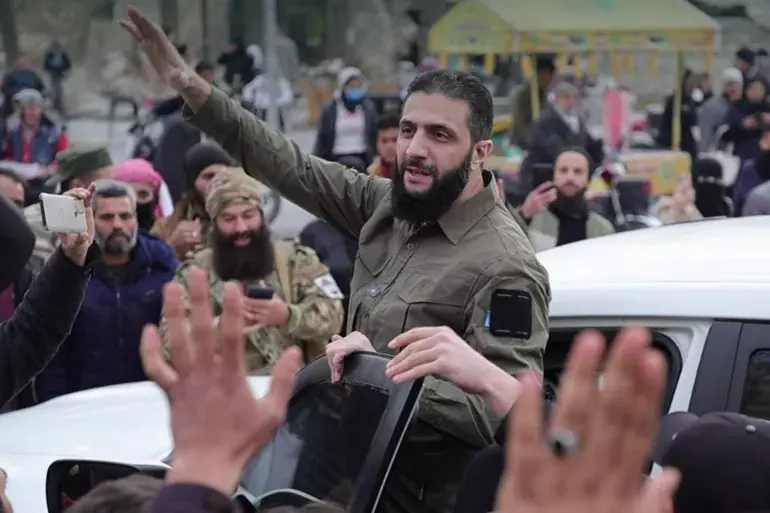







A Syrian presidential source denied on Tuesday the veracity of information provided by former US Ambassador to Syria Robert Ford, who spoke of meetings he held with President Ahmed al-Sharaa in Idlib in March 2023 "to rehabilitate him politically."
The source told Al Jazeera that the meetings Ford referred to were part of a series of meetings with hundreds of visiting delegations, dedicated to presenting and explaining the Idlib experience.
The Syrian presidency also noted that Ambassador Robert Ford was part of a delegation from a British research and studies organization, and that the sessions were limited to general questions related to the Idlib situation and did not address what Ford had stated in his statements.
During a session at the Council on Foreign Relations in Baltimore in early May, Ford said that a British organization specializing in conflict resolution had invited him to participate in an initiative aimed at removing Sharia from the realm of terrorism and bringing it into politics, he said.
He stated that he met with Sharaa three times: twice in 2023, and a third time after he assumed power in Damascus last January, following the lightning offensive launched by Syrian opposition factions that resulted in the fall of Bashar al-Assad's regime in December 2024.
Ford said he had a "civilized conversation" during his first meeting with Sharaa in 2023 in Idlib, recalling the details of the meeting, "I sat next to him with his long beard and military clothes, and I said to him in Arabic, 'I never imagined I'd be sitting next to you,' and Sharaa calmly replied, 'Not me.'"
The former ambassador noted that Sharaa did not apologize for the attacks attributed to him in Iraq and Syria, but spoke realistically about the need for transformation and concessions.
Ford served as US ambassador to Syria from 2011 to 2014, during one of the most tense periods in the history of relations between the two countries, as his tenure coincided with the outbreak of the Syrian revolution.
He was the first Western diplomat to visit Syrian cities like Hama during the early days of the revolution, a move that angered the Syrian regime at the time and later prompted Washington to withdraw him for security reasons. After retiring from the diplomatic corps, Ford remained one of the most prominent voices active on the Syrian issue in American circles, and currently works as a researcher at several think tanks and policy centers.
Share your opinion
The Syrian presidency denies statements made by a former US ambassador about Sharaa.