





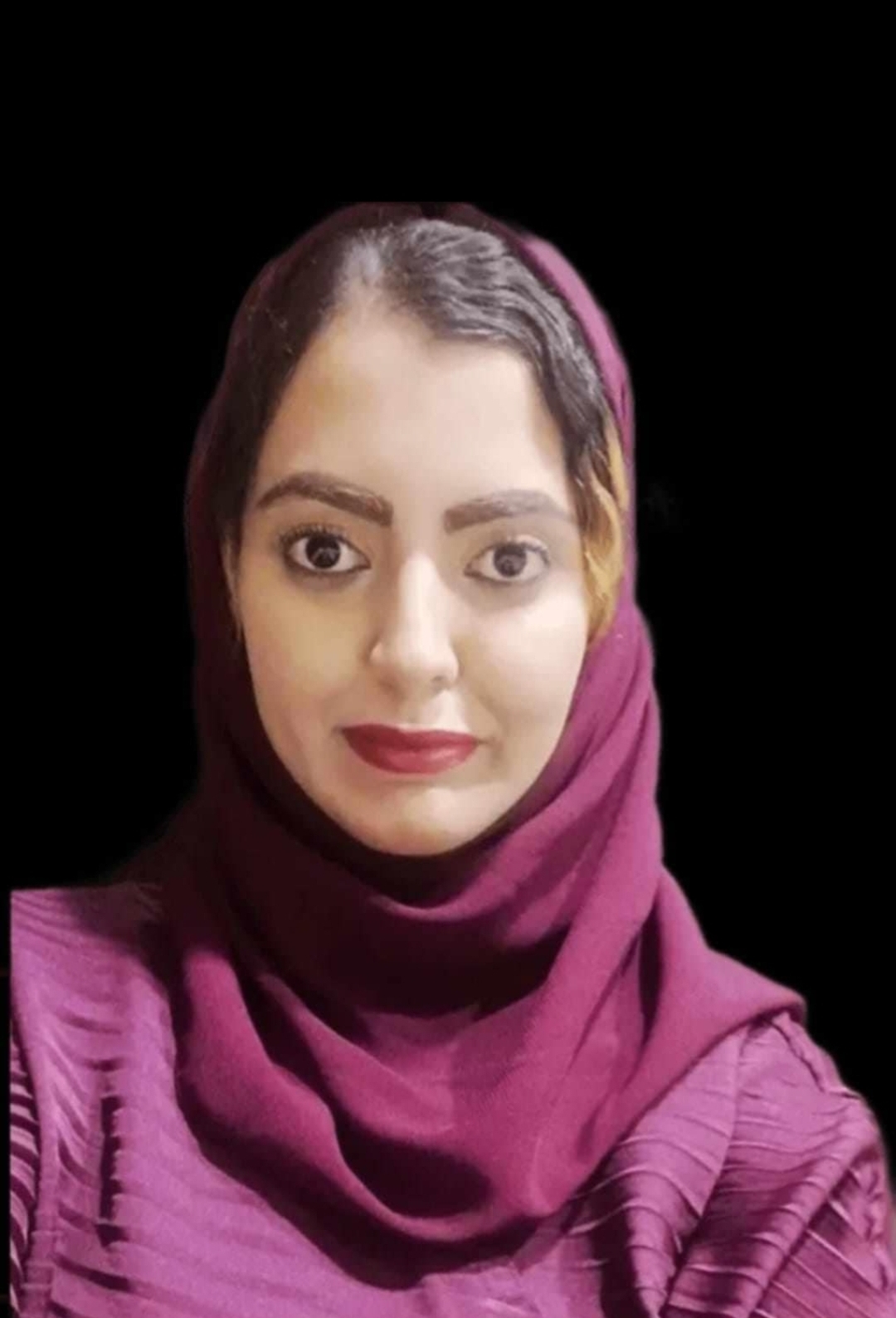
The Miss Universe competition is a beauty pageant with specific criteria for selecting the titleholder. When we ask why Miss Universe has rarely been chosen from the Middle East, there are several reasons. One of them is that winning the title requires strong voting support from the Middle East. Another reason relates to representation: what does the contestant represent about her country? In Miss Universe, a contestant represents her nation in every aspect—particularly through clothing, customs, and traditions associated with the country whose title she carries.
In the Miss Universe competition, you do not represent yourself alone; you represent the women of your country. For example, Saudi women traditionally wear the abaya and have heritage and folkloric attire, as well as the burqa or niqab—elements that represent Saudi women. Here, we are speaking about a country’s traditions before modernization. Similarly, Emirati women wear the burqa and the makhawar, and they have traditional and folkloric clothing that represents and highlights the beauty of Emirati women.
Western countries believe that one should not forget their heritage and history. They respect those who represent and acknowledge their history and do not abandon it for others; they admire those who do not flee from their past. Every Arab beauty queen has the right to wear what she chooses. However, the Miss Universe competition does not address you by your personal name; it addresses you by the country you represent—it says Saudi Arabia or Bahrain. The sash bears the name of the country, not the name of the beauty queen.
When you participate in this competition, you introduce the culture of your country through clothing, language, and customs. You showcase your nation’s culture to the world, as this is a global event watched internationally. The desire to modernize clothing is beautiful, but when we speak of Egypt, for instance, it possesses a multitude of cultures. This event could have been used to highlight its great history spanning thousands of years. When any queen from the Middle East participates, she should represent her country’s history in a way that allows the world to recognize it and inspires people to visit her country.
This does not mean that participation itself is wrong. Rather, focus must be placed on these points so that there is no need to explain where you are from—your appearance alone should make it clear which country you represent.
Miss Universe 2018, Catriona Gray, won the title because every outfit she wore told a story about the history of the Philippines. This captivated audiences, and she became a symbol of beauty that year. She represented the mountains, the sea, the flag, and the land of the Philippines. She moved with great confidence, without feeling as though she was in competition or conflict with her fellow contestants. The designer who created her gowns was highly professional and turned her into an icon of the competition, making her one of the contestants who spoke most about her country’s history through fashion.
Another important point is the reception a Miss Universe receives in her home country—the level of media and public support. When we look at the reception of Miss South Africa, for example, it involved the entire nation: her images were everywhere, and the public celebrated her widely. Such support draws the attention of the Miss Universe organization, as strong national backing plays a significant role. This can be seen in countries such as China, the Philippines, the United States, Venezuela, Mexico, and South Africa—countries that have frequently won the Miss Universe title.
Finally, there is the queen’s personality: her intelligence, humility, and ability to conduct herself with confidence rather than arrogance. Does she possess the character required to win and gain the trust of the judging panel? This was emphasized by Georgina Rizk of Lebanon—the only Arab woman to win the Miss Universe title in 1971—who stated that personality plays a major role in winning the competition. She believed that a queen should be around 27 years old to be mature, aware, and experienced enough to carry the title, while a younger contestant may lack the necessary maturity due to the significant development of thought and awareness that comes with age.
Georgina Rizk remains the only Arab woman to have won Miss Universe and is considered an icon of beauty in the Middle East. Therefore, winning the Miss Universe title is not impossible, but it requires a deep understanding of the true value of this competition and what it represents globally—a value that is often more deeply recognized in foreign countries than in Arab societies.
This article reflects a cultural and analytical perspective and does not aim to criticize or offend any individual or institution.

Why Has Miss Universe Rarely Been Chosen from the Middle East?

263 views
0 comments
Share your opinion
Why Has Miss Universe Rarely Been Chosen from the Middle East?