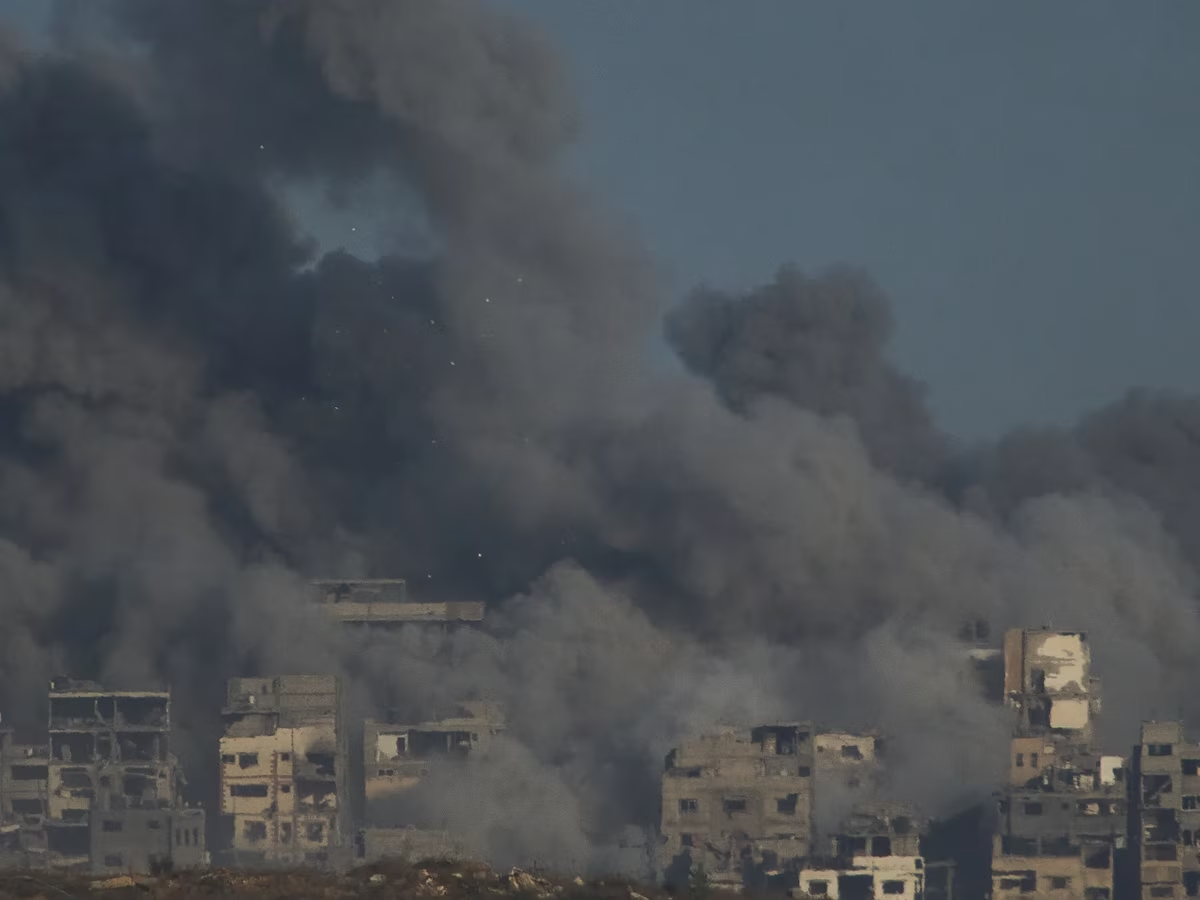







The intensity of tension in the Gaza Strip is escalating with clear Israeli efforts aimed at controlling about 70% of the Strip's area, which coincides with significant complexities in the Cairo negotiations. The new roadmap faces a bitter 'drafting conflict' between the concerned parties, amidst the American administration's preoccupation with other hot regional issues away from the Palestinian matter.
Experts in Israeli affairs believe that the occupation has not actually stopped its military operations, but rather continued a unilateral war based on systematic killing, destruction, and the expansion of military settlement. This behavior comes as a kind of political compensation for Prime Minister Benjamin Netanyahu, who faces severe internal crises due to his failure to achieve a clear military decisive victory on other fronts.
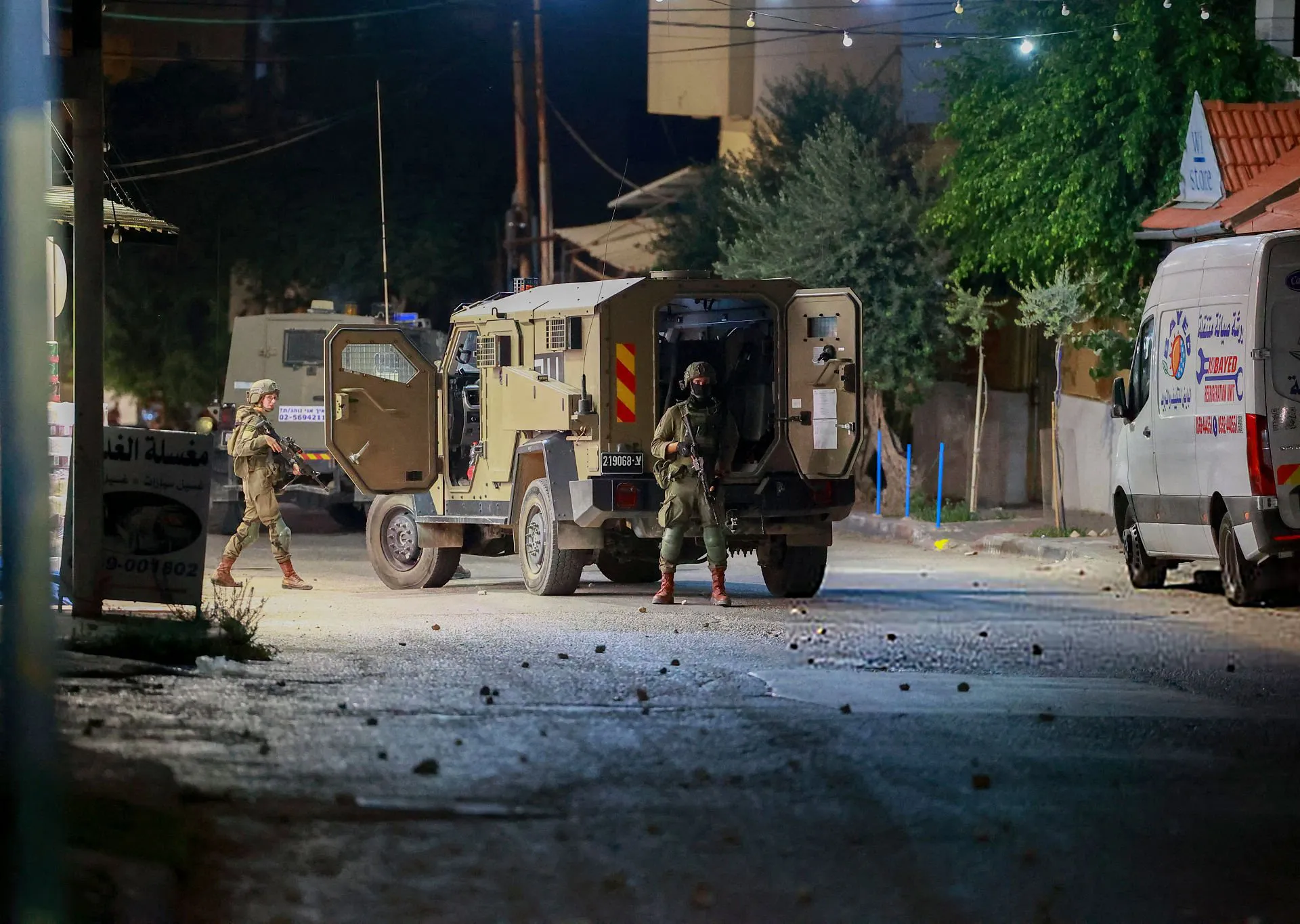
On the ground, informed sources revealed radical changes in military deployment maps, where what was known as the 'Yellow Line', which defines the army's deployment area by 53%, has been crossed. This line has been replaced by the so-called 'Orange Line' which establishes a new reality of control, leading to the erosion of public trust in international political initiatives aimed at ending the conflict.
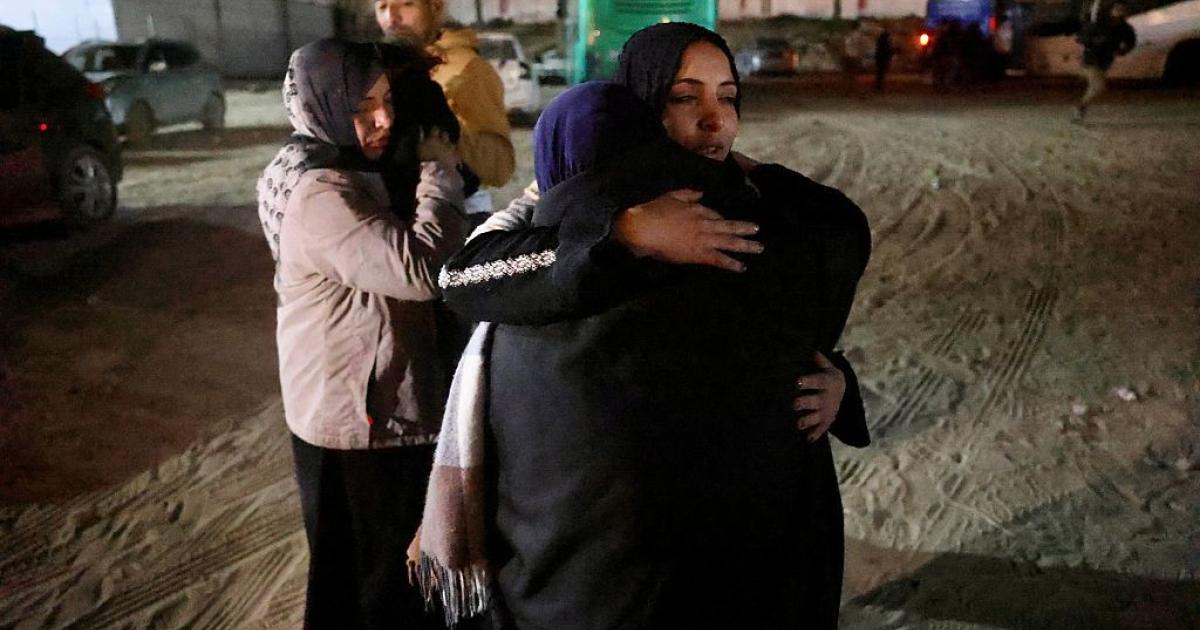
On the humanitarian front, medical sources in the Gaza Strip announced a heavy toll of Israeli violations since the signing of the last truce agreement in October 2025. The data confirmed the martyrdom of 961 Palestinians and the injury of more than 3000 others, reflecting the fragility of existing agreements and the continued human and material attrition among civilians.
Behind the scenes of politics, the discussion in the Egyptian capital shifted from the provisions of the original Trump initiative to a new proposal known as 'Mladenov's Map' consisting of 15 clauses. The fundamental dispute currently centers on clauses eight and nine, where Israel insists on making the issue of disarmament a central condition, devoid of any political context or guarantees of comprehensive withdrawal.
For their part, Palestinian factions showed flexibility in dealing with proposals to stop the bloodshed, but they set clear conditions regarding the mechanism for dealing with weapons. The factions demand that this file be discussed gradually and concurrently with a full Israeli withdrawal, provided that the weapons are handed over to a national Palestinian entity such as a technocratic government and under direct international supervision.
Diplomatic analyses indicate that the executive tools for truce agreements remain stalled despite the establishment of their infrastructure, due to the delayed arrival of the 'international stabilization force'. This security vacuum prevents the Israeli army from retreating to the recognized borders according to Security Council Resolution No. 2803, keeping the field situation in a state of permanent explosion.
Observers believe that Netanyahu is pursuing a strategy of continuous pressure to impose a worse reality on Palestinians with each day of delay in negotiations. This approach aims to force the resistance to accept harsh conditions, exploiting the declining priority of the Gaza issue on the international agenda preoccupied with oil prices and global economic crises.
Internally, the Israeli Prime Minister fears paying heavy political costs if he moves to the second phase of the agreement, especially with the approaching elections. Netanyahu faces immense pressure from his allies in the far-right, such as Smotrich and Ben Gvir, who reject any withdrawal and insist on continuing policies of displacement and direct occupation.
It is worth noting that the Gaza Strip is experiencing unprecedented destruction affecting 90% of its infrastructure after two years of continuous war, amidst UN estimates indicating that reconstruction requires about 70 billion dollars. Despite ceasefire agreements, residents still face a catastrophic reality with the continued closure of crossings and the choking of essential humanitarian aid flow.
Netanyahu refuses to move to the second phase of the agreement to avoid paying a domestic political price with the approaching Israeli elections and for fear of losing his allies in the far-right.
شارك برأيك
Cairo Negotiations and Gaza Escalation: The 'Lines' Conflict and the Weapon Knot Threaten the Truce Agreement